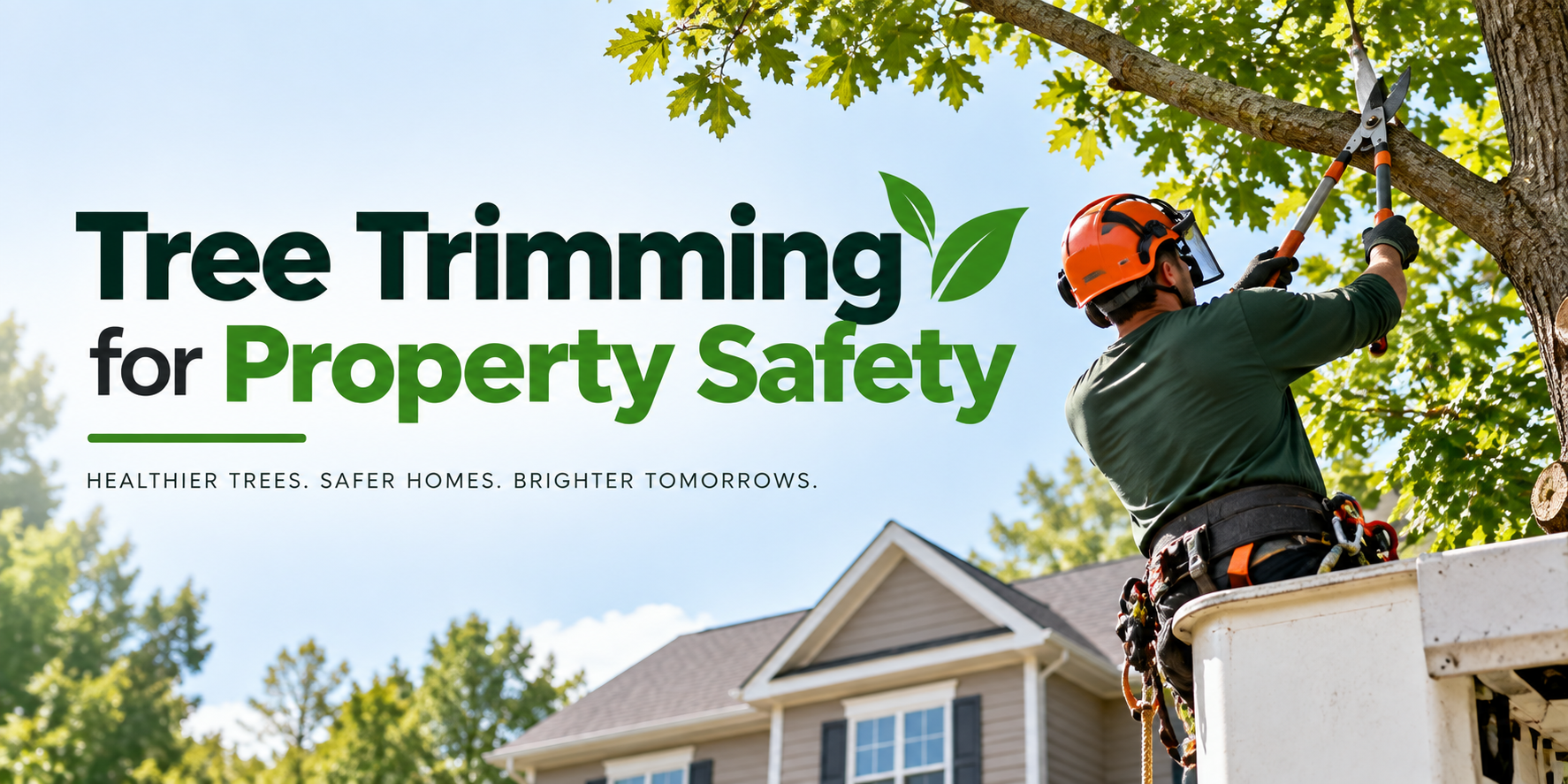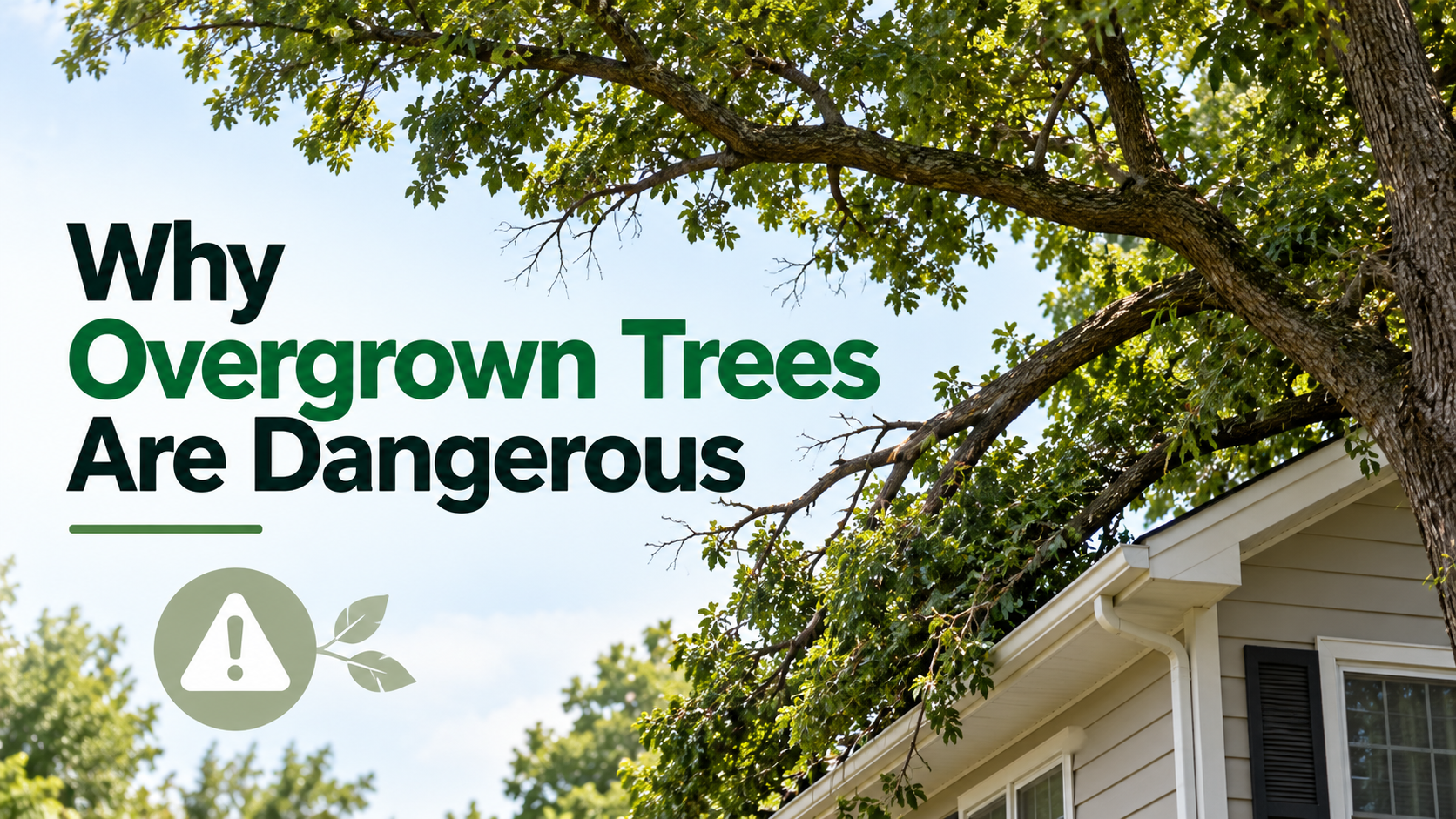
Trees provide shade, beauty, privacy, and environmental benefits to homes and commercial properties. However, when trees are allowed to grow without proper care, overgrown branches, weak limbs, excessive weight, and poor structure can create serious safety risks. An overgrown tree may look healthy from the ground while hiding damaged branches, structural weaknesses, or disease.
Regular tree maintenance is therefore important not only for appearance but also for protecting people, buildings, vehicles, power lines, and surrounding property. Understanding the risks associated with overgrown trees can help property owners identify problems early and take appropriate action.
What Is an Overgrown Tree?
An overgrown tree is generally a tree that has developed excessive branches, dense foliage, or uncontrolled growth because it has not received appropriate pruning or maintenance. Overgrowth can affect a tree’s shape and structural balance, particularly when branches become too long, heavy, crowded, or poorly positioned.
Not every large tree is dangerous. A mature tree can be completely healthy and structurally stable. The concern arises when growth is uncontrolled or when branches interfere with buildings, roads, utility lines, walkways, or other structures.
Why Are Overgrown Trees Dangerous?
Overgrown trees can create several different hazards. Heavy branches may become weak or unstable, dense foliage can hide structural problems, and branches growing too close to buildings or power lines can cause damage.
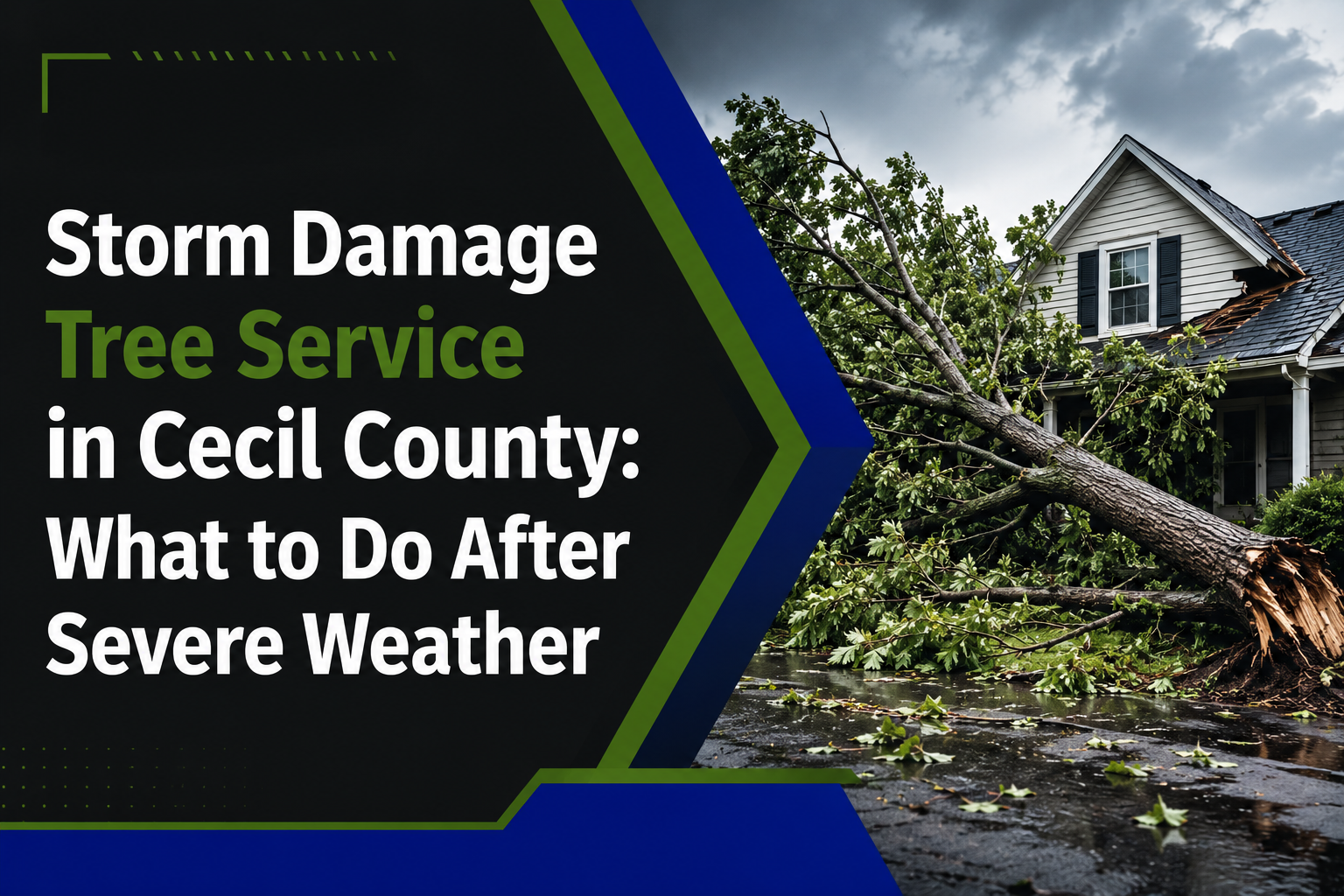
The risks can become more serious during storms, high winds, heavy rain, or other extreme weather conditions. A tree with weak or poorly positioned branches may be more likely to shed limbs or, in severe cases, fail completely.
Falling Branches Can Cause Serious Damage
One of the most common risks associated with overgrown trees is falling branches. As branches grow larger and heavier, their weight can place additional stress on weak joints or damaged sections of the tree.
Dead, diseased, cracked, or poorly attached branches are particularly concerning. If they fall unexpectedly, they can damage roofs, vehicles, fences, outdoor structures, or landscaping. Falling branches can also pose a serious risk to people and pets using the area beneath the tree.
Regular inspection and appropriate pruning can help identify and address hazardous branches before they become a problem.
Overgrown Trees Can Damage Buildings
Branches that extend over roofs or grow directly against buildings can cause property damage over time. Constant contact with walls, roofs, windows, gutters, or other structures can create wear and potentially damage surfaces.
Large branches over a roof can also become a concern during storms. If a branch breaks, it may fall directly onto the building, potentially damaging roofing materials or other structural components.
Keeping appropriate clearance between trees and buildings can reduce these risks while also making routine property maintenance easier.
Power Line Contact Is a Major Hazard
Trees growing near electrical power lines require particular attention. Branches can come into contact with overhead lines, especially when wind causes them to move.
Contact between trees and electrical lines can result in power interruptions, damaged infrastructure, fires, and extremely dangerous electrical conditions. Attempting to cut branches around energized power lines without the appropriate training and equipment can be life-threatening.
Property owners should never attempt hazardous electrical-line tree work themselves. Depending on the situation, a qualified tree professional or the relevant utility provider may need to handle the issue.
Storms Can Make Overgrown Trees More Dangerous
Weather conditions can significantly increase the risks associated with overgrown trees. Strong winds can place considerable pressure on large branches and tree canopies. Heavy rain can saturate soil and potentially reduce the stability of trees with compromised root systems.
An overgrown canopy can also catch more wind, increasing the forces acting on the tree. Trees with structural defects, damaged roots, or weak branches may be particularly vulnerable during severe weather.
Proper pruning and regular inspections can help reduce some risks, although no maintenance approach can guarantee that a tree will never fail during extreme weather.
Overgrown Trees Can Hide Dead or Diseased Branches
Dense foliage can make it difficult to identify problems within a tree. Dead branches, cavities, cracks, fungal growth, and signs of disease may remain hidden beneath thick vegetation.
This is one reason professional tree inspections can be valuable. A trained tree-care professional can examine the structure of the tree and identify warning signs that may not be obvious to an untrained observer.
Early identification can allow property owners to address potential hazards before they become more serious.
Root Problems Can Affect Tree Stability
Tree maintenance is not limited to branches and foliage. The root system plays an essential role in keeping a tree stable and supplying it with water and nutrients.
Construction activity, soil compaction, drainage problems, excavation, disease, or root damage can affect tree stability. A large tree with compromised roots may become more vulnerable to strong winds or saturated soil conditions.
Signs such as exposed roots, soil movement, leaning, unusual ground cracks, or changes around the tree’s base should be taken seriously.
Overgrown Trees Can Obstruct Roads and Walkways
Branches that extend into driveways, sidewalks, roads, or pathways can create physical obstructions. Low branches may interfere with pedestrians, cyclists, vehicles, or maintenance equipment.
Dense growth can also reduce visibility near driveways, intersections, entrances, and other areas where clear sightlines are important. Maintaining appropriate clearance can improve accessibility and reduce the likelihood of accidents.
Overgrown Trees Can Interfere With Other Plants
Excessive tree growth can also affect the surrounding landscape. A dense canopy may block sunlight from reaching grass, shrubs, flowers, or other plants.
Tree roots can compete with nearby vegetation for water and nutrients, while heavy branches may crowd neighboring trees. Proper pruning and thoughtful landscape management can help maintain a healthier balance between trees and other plants.
Pests and Diseases Can Become More Difficult to Manage
Dense and poorly maintained tree canopies may make it more difficult to monitor the health of a tree. Pests, fungal problems, and diseases can sometimes spread or remain unnoticed when regular inspections are neglected.
This does not mean that overgrowth itself automatically causes disease. Rather, excessive and unmanaged growth can make it harder to identify problems early and maintain the tree effectively.
Regular inspections can help property owners recognize changes in foliage, bark, branches, and overall tree health.
When Should an Overgrown Tree Be Pruned?
Pruning should generally be based on the tree’s species, age, condition, location, and intended purpose rather than simply cutting branches whenever the tree looks large.
Trees may require pruning to remove dead or damaged branches, improve clearance, reduce certain structural risks, or manage growth around buildings and infrastructure. Excessive pruning can also harm trees, so removing large amounts of healthy growth without a clear reason should be avoided.
A qualified tree-care professional can determine which branches should be removed and recommend an appropriate maintenance schedule.
Signs That an Overgrown Tree May Need Attention
Property owners should pay attention to visible warning signs. Large dead branches, hanging limbs, cracks, cavities, unusual leaning, damaged bark, excessive branch weight, and branches touching structures or power lines can all indicate that a tree needs professional assessment.
Changes in the ground around the tree can also be significant. Soil movement, exposed or damaged roots, mushrooms near the base, or sudden changes in the tree’s position may indicate underlying problems.
If a tree appears unstable or a large branch is hanging dangerously, people should stay away from the area and seek professional assistance rather than attempting to resolve the problem themselves.
Why Professional Tree Care Matters
Tree pruning and removal can involve significant risks, particularly when working with large trees, heavy branches, ladders, chainsaws, or trees located near buildings and electrical lines.
Professional arborists and qualified tree-care companies have the training and equipment needed to assess tree structure and perform appropriate work. They can also identify hazards that may not be obvious to property owners.
Professional maintenance is especially important for large trees, trees near structures, and trees showing signs of disease, damage, or instability.
How to Prevent Trees From Becoming Overgrown
Preventive tree care is generally easier than dealing with a serious hazard after it develops. Regular inspections can help identify branches that require attention before they become excessively large or structurally problematic.
Pruning should be performed according to the tree’s needs and appropriate horticultural practices. Property owners should also monitor trees after severe weather and pay attention to changes in their appearance or surrounding soil.
Keeping records of previous pruning, inspections, and other tree-care work can also help create a more organized long-term maintenance plan.
Should You Remove an Overgrown Tree?
An overgrown tree does not automatically need to be removed. In many cases, appropriate pruning or structural management may address the problem while allowing the tree to remain healthy.
Tree removal may become appropriate when a tree is severely damaged, structurally unstable, diseased beyond recovery, dead, or located in a position where the risk cannot reasonably be managed.
Because removal of a large tree can be dangerous, property owners should have the tree professionally assessed before making a decision.
Conclusion
Overgrown trees can become dangerous when excessive growth, weak branches, structural defects, root problems, or poor positioning create hazards for people and property. While mature trees provide valuable benefits, they require appropriate care to remain safe and healthy.
Regular inspections, responsible pruning, and professional tree care can help identify potential hazards and reduce unnecessary risks. Property owners should pay particular attention to trees near buildings, roads, walkways, and power lines, as well as trees showing signs of damage or instability.
The goal of tree maintenance is not simply to make a tree look neat. Proper care helps preserve healthy growth while reducing preventable hazards and protecting the people and property around it.
Frequently Asked Questions
What makes an overgrown tree dangerous?
An overgrown tree can become dangerous when excessive branches, dense growth, dead limbs, structural weaknesses, root problems, or poor positioning create a risk of falling branches or tree failure. Trees growing close to buildings, roads, or power lines may require additional attention.
Can an overgrown tree be saved?
Yes, many overgrown trees can be managed through appropriate pruning and structural care. Whether a tree can be safely retained depends on its species, health, structural condition, location, and the extent of any damage or defects.
How often should trees be inspected?
The appropriate inspection frequency depends on the tree and its location. Trees near homes, public areas, roads, and utility infrastructure may benefit from regular professional assessment. Trees should also be inspected after major storms or when visible changes occur.
Is it safe to prune an overgrown tree yourself?
Pruning a small tree may be manageable for a property owner with the appropriate knowledge and equipment, but large trees and branches near buildings or power lines can be extremely hazardous. Professional assistance is recommended for complex or high-risk tree work.
Can overgrown trees damage a house?
Yes. Large branches can scrape against roofs and walls, block gutters, damage windows, or fall onto structures. Maintaining appropriate clearance and addressing hazardous branches can help reduce these risks.
Are trees near power lines dangerous?
Trees and branches that contact or approach power lines can create serious electrical hazards. Property owners should not attempt to cut branches that are touching or close to energized lines. The appropriate utility provider or qualified professional should be contacted.
Can strong winds cause an overgrown tree to fall?
Strong winds can increase the stress placed on trees and their branches. An overgrown canopy may catch more wind, while existing structural or root problems can further increase the risk. However, tree failure depends on many factors, including tree health, species, soil conditions, and weather intensity.
What are the signs that a tree needs professional attention?
Warning signs can include dead or hanging branches, cracks, cavities, significant leaning, damaged bark, exposed or disturbed roots, fungal growth near the base, and branches interfering with buildings or utility lines. Any sudden change in a tree’s condition should be assessed.
Does pruning make trees safer?
Appropriate pruning can help remove dead, damaged, or hazardous branches and improve clearance around structures. However, improper or excessive pruning can damage a tree and potentially create additional problems. Pruning should therefore be performed using appropriate techniques.
When should an overgrown tree be removed?
Removal may be considered when a tree is dead, severely damaged, structurally unstable, or poses a significant hazard that cannot be effectively managed through pruning or other measures. A professional assessment can help determine whether removal is necessary.