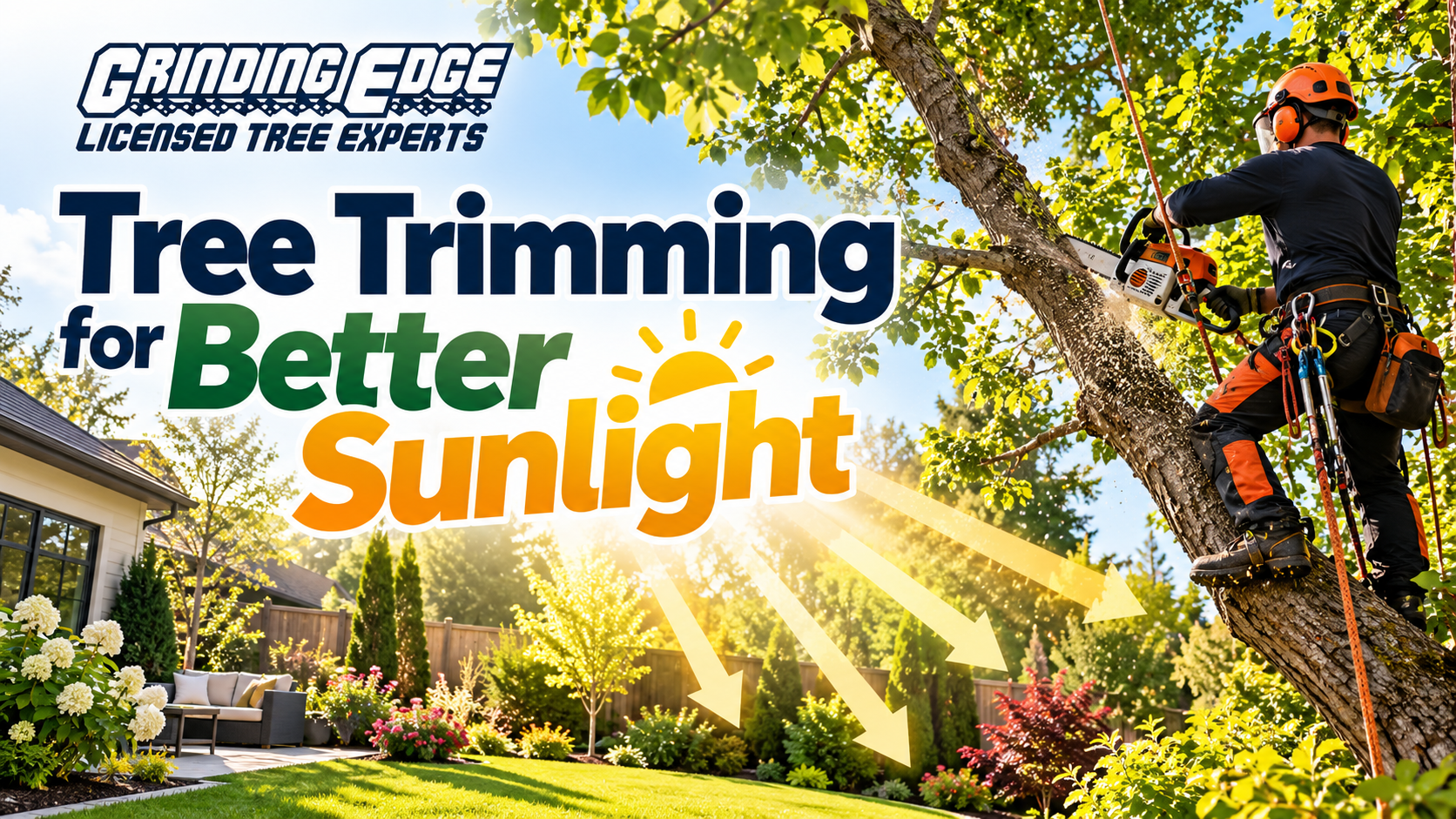
Trees add beauty, shade, privacy, and value to outdoor spaces. However, when branches grow too thick or tree canopies become overcrowded, they can block sunlight from reaching lawns, gardens, flower beds, and other parts of your property.
Tree trimming for better sunlight is an effective way to improve light distribution, support healthy landscape growth, and create a more balanced outdoor environment. When performed correctly, selective pruning allows more sunlight to filter through the canopy without sacrificing the tree’s natural shape or health.
Whether you want a greener lawn, healthier garden plants, or a brighter backyard, understanding how strategic tree trimming works can help you get better results from your landscape.
Why Is Sunlight Important for Your Landscape?
Sunlight plays a major role in maintaining a healthy outdoor environment. Most lawns, flowering plants, vegetables, and many shrubs need sufficient light to grow, produce flowers, and maintain their appearance.
When trees create excessive shade, nearby plants may struggle to thrive.
Common signs of insufficient sunlight include:
- Thin or patchy grass beneath trees.
- Slow-growing garden plants.
- Fewer flowers or reduced flowering.
- Plants leaning toward brighter areas.
- Increased competition between plants for available light.
Different plants have different sunlight requirements. Some varieties thrive in partial or full shade, while others need several hours of direct sunlight each day.
Before trimming trees, identify which areas need additional light and determine whether the plants growing there can benefit from increased sun exposure.
How Tree Trimming Improves Sunlight Exposure
Tree trimming involves selectively removing branches to improve a tree’s structure, health, and appearance. When the goal is to increase sunlight, the process should focus on managing canopy density rather than removing large amounts of foliage.
1. Reduces Dense Canopy Growth
A thick canopy can prevent sunlight from reaching the ground, especially when multiple branches overlap.
Selective thinning removes certain branches to create better spacing within the canopy. This allows sunlight to pass through more evenly while preserving the tree’s overall structure.
The objective is not to make the tree sparse. Instead, it is to improve light penetration without unnecessarily stressing the tree.
2. Helps Lawns Receive More Light
Grass growing beneath large trees often struggles because of shade, root competition, and limited access to water and nutrients.
Strategic pruning may increase the amount of sunlight reaching shaded lawn areas. This can help suitable grass varieties grow more consistently when insufficient light is a major cause of poor performance.
However, trimming alone may not solve every lawn problem. Soil conditions, tree roots, irrigation, and grass selection should also be considered.
3. Supports Healthier Garden Beds
Flower beds, shrubs, and ornamental plants often benefit from improved light distribution.
If a tree canopy blocks most of the sunlight from reaching a garden bed, selective trimming may help nearby plants receive more of the light they need.
Before pruning, check the sunlight requirements of the plants in the area. Shade-loving plants may already be growing under ideal conditions and could suffer if their environment becomes too bright.
4. Creates a Brighter and More Open Outdoor Space
Overgrown trees can make patios, walkways, and seating areas feel dark or enclosed.
Removing selected branches can open up views, improve the feeling of space, and allow natural light to reach outdoor living areas.
A carefully maintained canopy can provide a useful balance between shade and sunlight, helping outdoor spaces remain attractive and comfortable.
The Best Tree Trimming Techniques for Better Sunlight
Different pruning techniques serve different purposes. Choosing the correct method is essential for improving light penetration while maintaining tree health.
Canopy Thinning
Canopy thinning involves selectively removing certain branches throughout the crown to reduce excessive density.
This technique can help sunlight filter through the tree more effectively without drastically changing its natural shape.
Proper thinning should preserve the tree’s structural integrity and avoid excessive removal of live foliage.
Crown Raising
Crown raising involves removing selected lower branches to increase clearance beneath the tree.
It can improve light access to nearby areas and provide more room for walkways, landscaping, and outdoor activities. However, it may not significantly increase sunlight directly beneath a dense upper canopy.
Selective Branch Removal
Some branches may extend over garden beds, lawns, or structures and block light from specific areas.
Removing or reducing selected branches can help direct more sunlight toward the areas that need it. Cuts should be made using appropriate pruning techniques that minimize damage to the tree.
Crown Reduction
Crown reduction reduces the overall size of a tree’s canopy by shortening selected branches back to suitable lateral branches.
This method may be appropriate when a tree has outgrown its available space, but it should not be confused with indiscriminate topping. Improper reduction can weaken a tree, encourage poorly attached regrowth, and create future hazards.
A qualified arborist can determine whether crown reduction is appropriate for the species and condition of the tree.
When Is the Best Time to Trim Trees?
The best time for tree trimming depends on the tree species, its condition, the local climate, and the reason for pruning.
Some trees respond well to pruning during dormancy, while others are better pruned at different times of the year. Flowering trees may also have specific pruning windows depending on whether they bloom on old or new growth.
For many routine projects, it is useful to plan pruning before the growing season becomes particularly active. However, dead, broken, or hazardous branches may need prompt attention regardless of the season.
Before scheduling major trimming, consider the following:
- Identify the tree species.
- Check for signs of disease or structural weakness.
- Determine how much additional sunlight is needed.
- Consider flowering and seasonal growth patterns.
- Check local rules or permit requirements where applicable.
A professional arborist can recommend an appropriate pruning schedule for your trees and climate.
How Much Should You Trim to Increase Sunlight?
More trimming does not necessarily mean better sunlight or healthier trees.
Removing too much foliage can reduce a tree’s ability to produce energy through photosynthesis. Excessive pruning may also expose previously shaded branches and bark to stronger sunlight, increase stress, and encourage weak regrowth.
The amount of foliage that can safely be removed depends on the tree’s species, age, health, and structure.
Rather than removing large sections of the canopy at once, focus on targeted cuts that address specific shading problems. For mature trees, a staged approach over multiple seasons may be more appropriate.
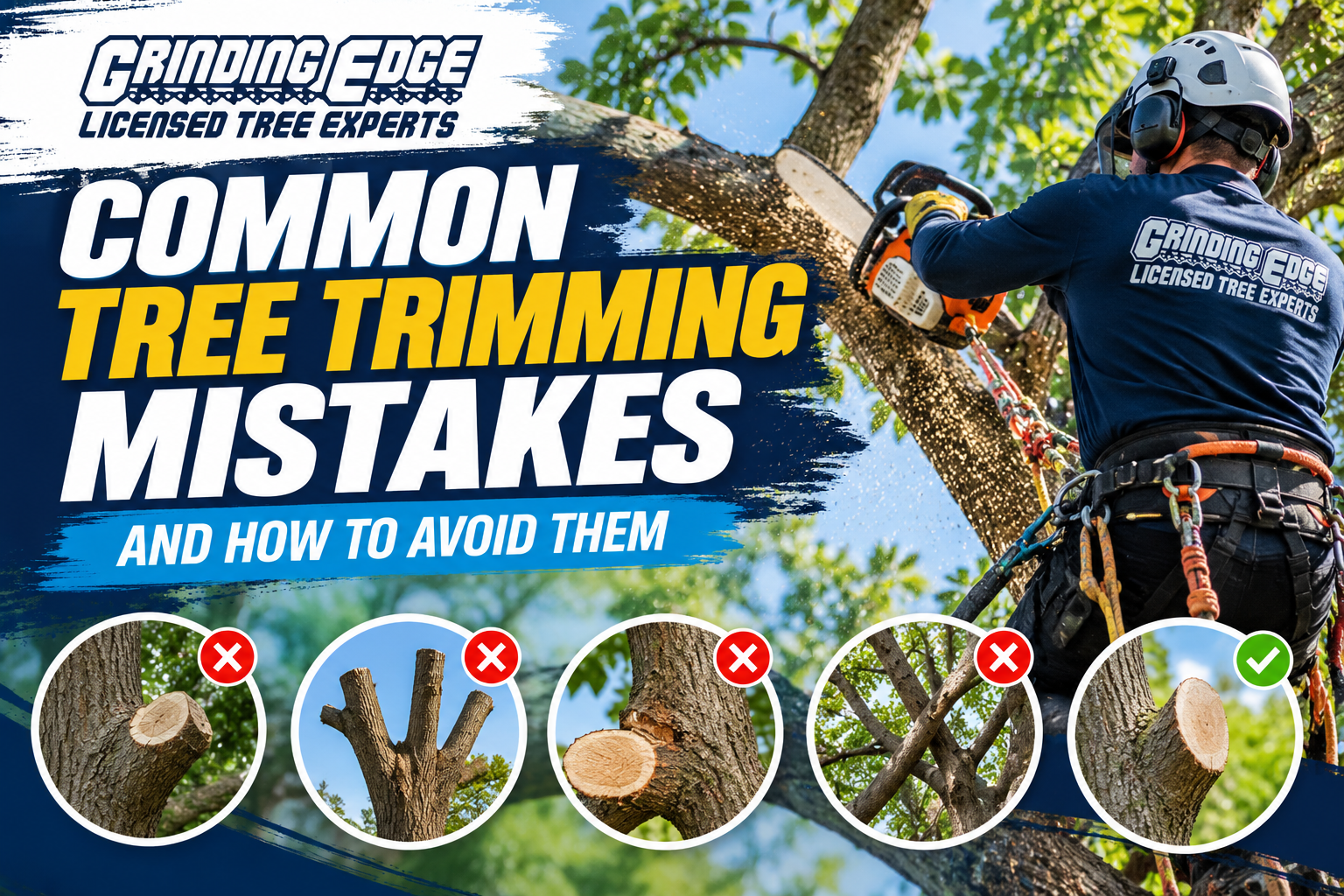
Avoid topping trees or removing large limbs without a clear, professionally assessed reason.
Signs Your Trees May Need Trimming
Trees do not need pruning simply because they are large. However, certain conditions may indicate that selective trimming would benefit your property.
Look for:
- Dense branches that significantly shade lawns or garden beds.
- Dead, broken, or damaged limbs.
- Branches rubbing against one another.
- Growth interfering with walkways or structures.
- Overcrowded branches with poor spacing.
- A canopy that blocks light from important outdoor areas.
If you notice large cracks, hanging limbs, substantial leaning, or other signs of possible structural failure, seek professional assessment promptly rather than attempting to correct the problem through routine trimming.
Should You Hire a Professional Tree Trimming Service?
Small pruning tasks involving accessible branches may be manageable for experienced homeowners using suitable tools. However, larger trees and branches near buildings, fences, roads, or power lines can present serious hazards.
Professional tree trimming services can evaluate the canopy, identify problematic branches, and select an appropriate pruning strategy.
When choosing a service provider, look for relevant training, insurance, appropriate equipment, and experience with the tree species on your property.
A qualified arborist can also explain how much trimming is appropriate and whether alternative landscaping solutions might be more effective.
Never attempt to trim branches near power lines yourself. Contact the utility provider or an appropriately qualified professional.
Additional Ways to Improve Sunlight in Your Yard
Tree trimming is only one part of creating a healthier landscape. Other improvements may help you make better use of available sunlight.
Choose Plants Suited to Existing Light Conditions
If an area remains shaded even after careful pruning, select plants that naturally thrive in shade or partial shade.
This approach can be more sustainable than repeatedly removing branches to accommodate plants that require full sun.
Adjust Your Garden Layout
Place sun-loving plants in brighter sections of the yard and move shade-tolerant varieties beneath trees or near structures.
Grouping plants according to their sunlight needs can improve their performance without requiring excessive pruning.
Maintain Healthy Soil and Irrigation
Grass and garden plants may struggle because of compacted soil, poor drainage, root competition, or inconsistent watering.
Improving these conditions can support healthier growth, particularly when combined with appropriate sunlight.
Monitor Sunlight Throughout the Day
Observe your yard at different times to understand where direct sunlight falls and how long each area remains shaded.
This information helps determine whether pruning is likely to make a meaningful difference and where additional light would be most beneficial.
Conclusion: Enhance Your Landscape With Strategic Tree Trimming
Tree trimming for better sunlight can help improve light distribution, support suitable lawn and garden growth, and create a brighter, more inviting outdoor environment.
The key is to focus on selective pruning that addresses specific shading problems while preserving the tree’s health, natural structure, and long-term stability.
By understanding your landscape’s sunlight needs, choosing the right pruning techniques, and consulting a qualified professional when necessary, you can create a better balance between healthy trees and thriving outdoor spaces.
Ready to let more sunlight into your yard? Consider a professional tree assessment to identify the branches that may be limiting light and develop a trimming plan suited to your landscape.