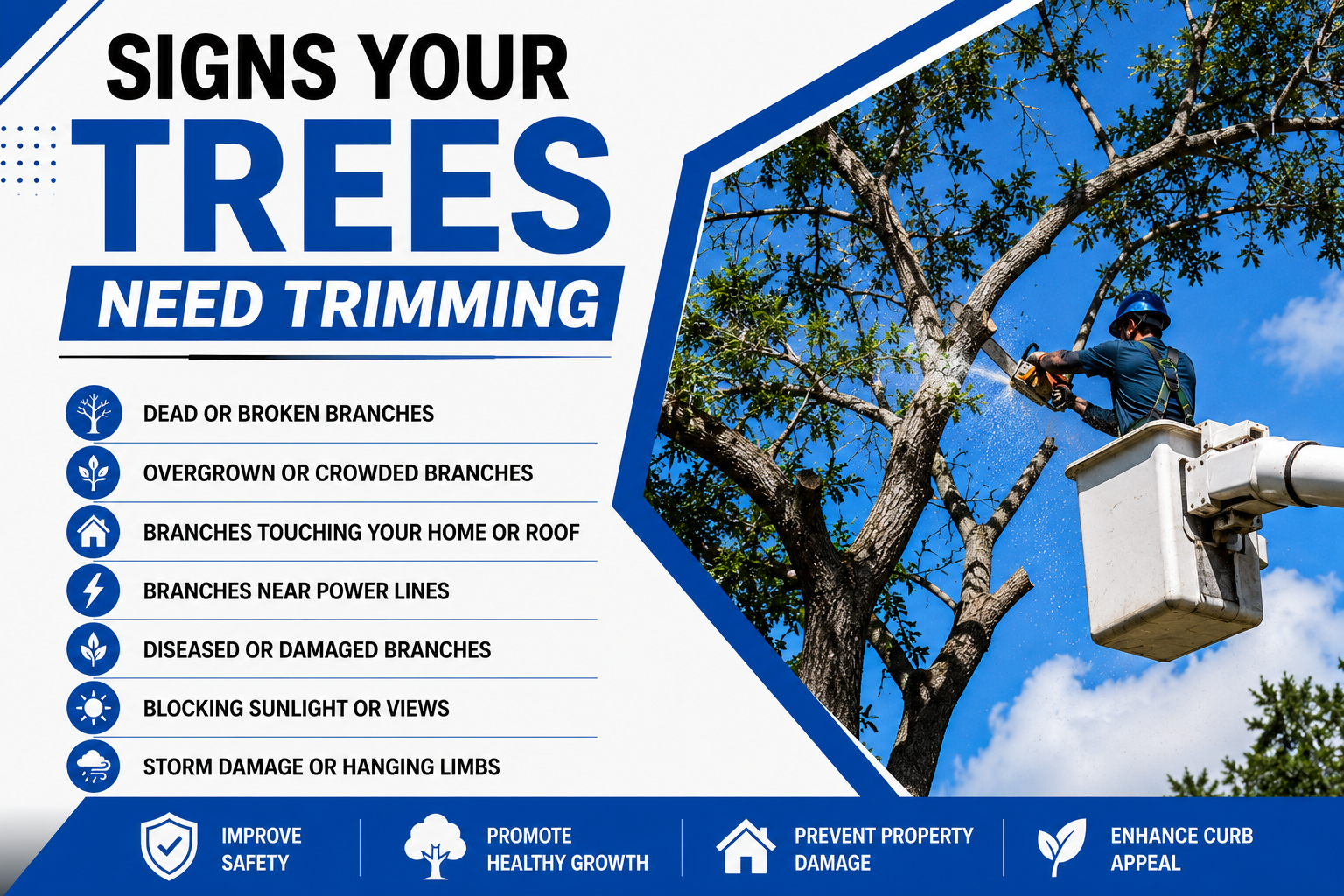
Trees add beauty, shade, and value to your property, but they also require regular maintenance to stay healthy and safe. While many homeowners focus on watering and fertilizing their trees, trimming is just as important. Proper tree trimming encourages healthy growth, improves appearance, reduces safety hazards, and helps prevent costly property damage.
Ignoring the warning signs can lead to weak branches, diseased limbs, poor tree structure, and increased risks during storms. Knowing when your trees need trimming allows you to address problems before they become serious.
This guide explains the most common signs that indicate your trees may be due for professional trimming.
Why Tree Trimming Is Important
Tree trimming is more than simply improving a tree’s appearance. It helps remove dead, damaged, and diseased branches while encouraging stronger and healthier growth. Regular trimming also improves air circulation and sunlight penetration throughout the canopy, reducing the likelihood of fungal diseases and pest infestations.
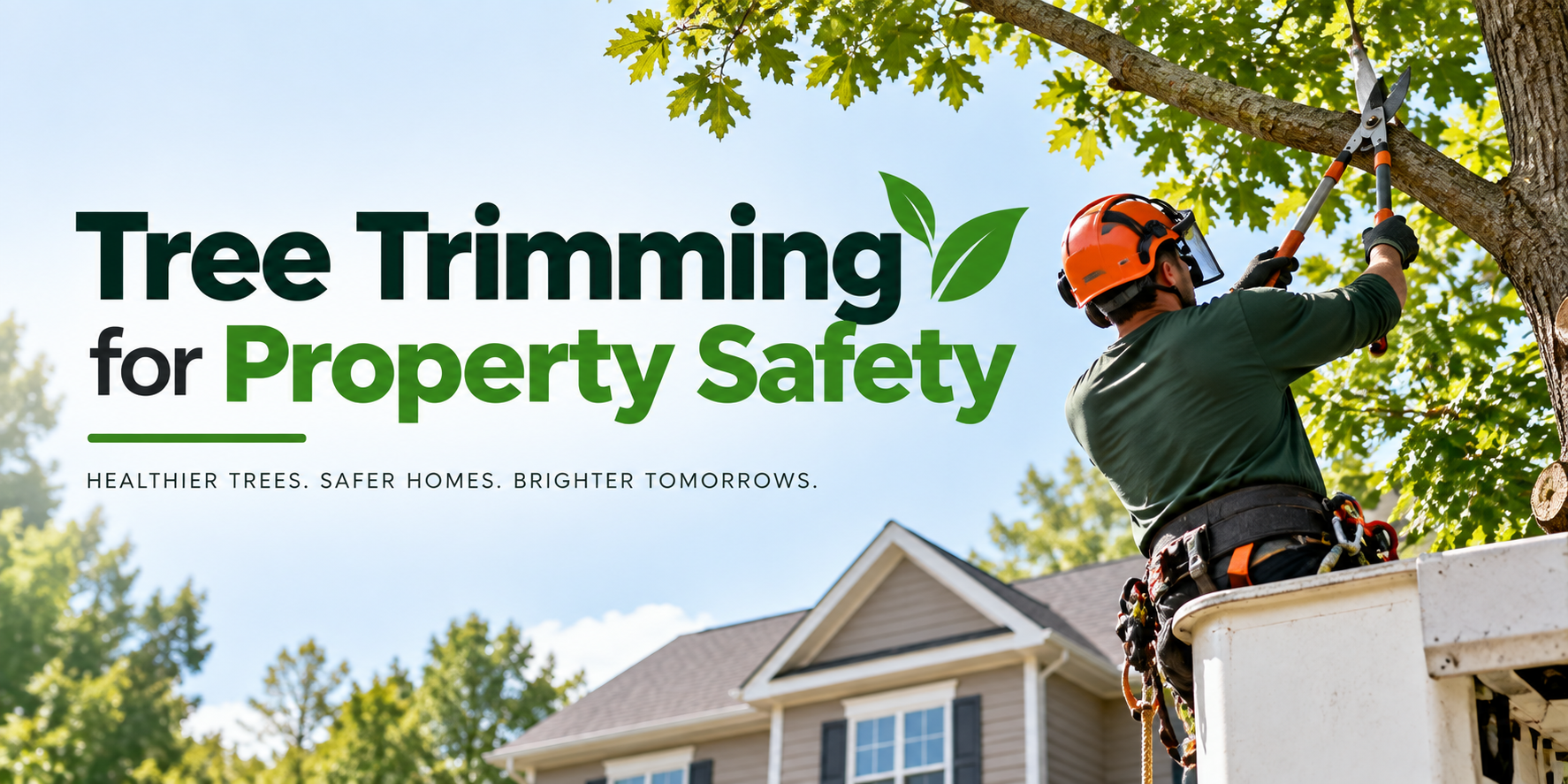
From a safety perspective, trimming minimizes the risk of falling branches that could damage roofs, vehicles, fences, or power lines. Proper maintenance also helps trees develop a stronger structure, making them more resilient during high winds and severe weather.
Dead or Broken Branches
One of the clearest signs your tree needs trimming is the presence of dead or broken branches. Dead limbs no longer contribute to the tree’s health and can become unstable over time. During storms or even on calm days, these branches may fall unexpectedly, creating a hazard for people and property.
Removing dead branches improves both safety and the overall health of the tree by allowing it to direct nutrients toward healthy growth instead of sustaining damaged limbs.
Overgrown Branches
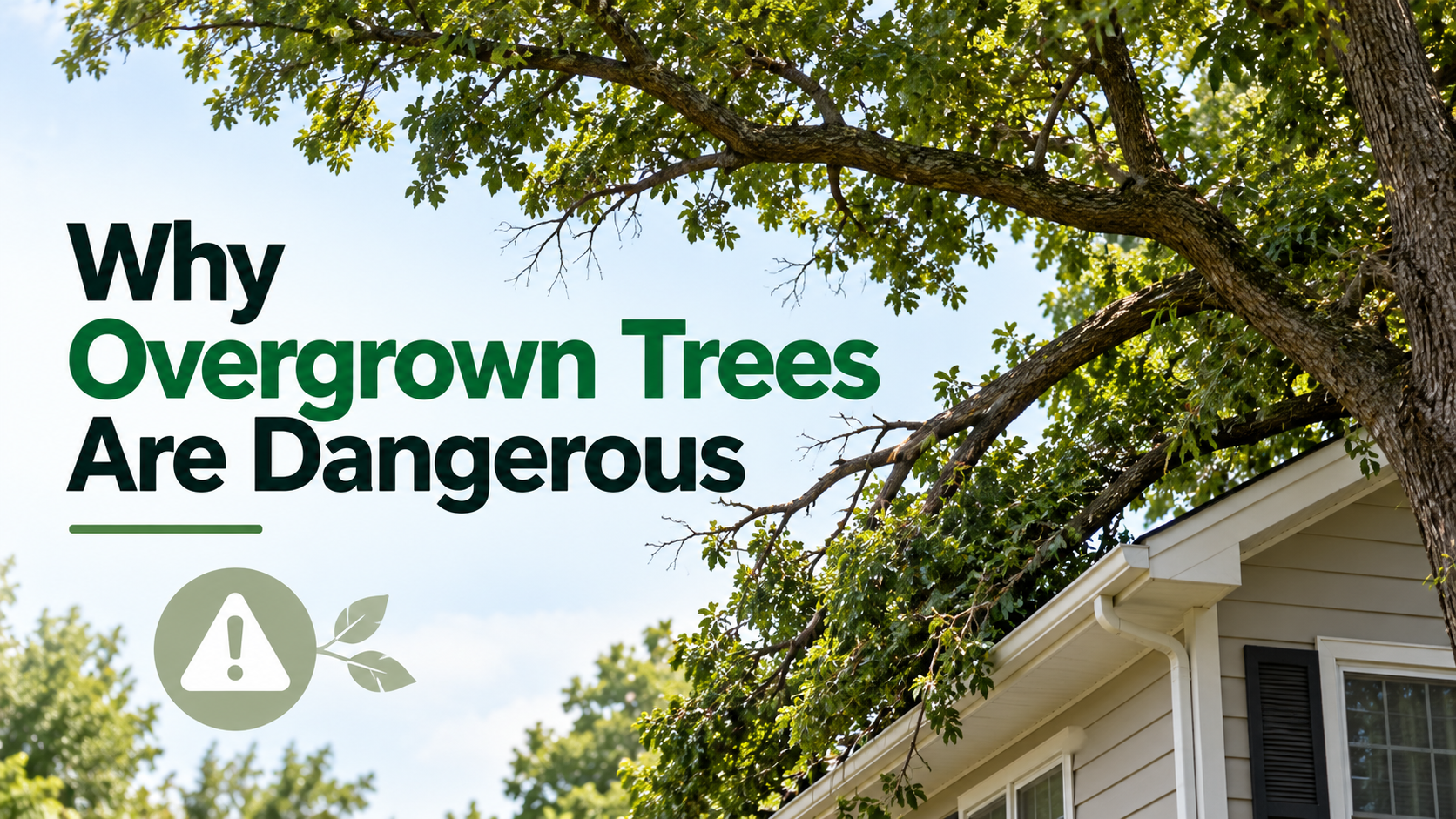
Branches that extend too far beyond the tree’s natural shape often indicate it’s time for trimming. Overgrown limbs may block driveways, sidewalks, windows, outdoor lighting, or scenic views. They can also interfere with nearby buildings and structures, increasing the likelihood of property damage during storms.
Proper trimming restores the tree’s natural form while maintaining adequate clearance around your home and outdoor spaces.
Branches Touching Your Home or Roof
Tree branches that make contact with your roof, gutters, siding, or windows should be addressed promptly. Constant rubbing can damage roofing materials, scratch siding, and create entry points for moisture and pests.
Overhanging branches also make it easier for rodents and insects to access your home. Trimming these limbs helps protect your property while reducing maintenance costs over time.
Branches Near Power Lines
Trees growing close to power lines pose a significant safety risk. Branches can interfere with electrical service, increase the risk of outages, and become dangerous during storms or high winds.
If your tree is growing into utility lines, avoid trimming it yourself. Contact your local utility company or hire a qualified tree service experienced in safely working around electrical infrastructure.
Dense or Crowded Canopy
A tree with an overly dense canopy may struggle to receive adequate sunlight and airflow throughout its branches. Limited air circulation creates conditions that encourage mold, mildew, fungal diseases, and insect infestations.
Selective trimming allows light to penetrate deeper into the canopy while improving air movement. This promotes healthier foliage and reduces stress on the tree.
Diseased or Damaged Branches
Discolored leaves, peeling bark, fungal growth, cankers, or branches that appear unhealthy may indicate disease. Left untreated, diseases can spread throughout the tree and potentially affect nearby trees as well.
Removing infected branches is often an important step in managing tree health. Early intervention can sometimes prevent the need for complete tree removal.
Unbalanced Tree Growth
Trees should maintain a relatively balanced canopy. If one side has grown significantly larger than the other, the uneven weight distribution may increase the likelihood of branch failure or even cause the tree to lean.
Strategic trimming helps restore balance, improves structural integrity, and reduces stress on major limbs.
Storm Damage
After severe storms, trees should be inspected for cracked, hanging, or partially broken branches. Even branches that remain attached may have internal damage that weakens them over time.
Prompt trimming after storms helps eliminate safety hazards while supporting healthy recovery. Removing damaged limbs also prevents decay from spreading into the rest of the tree.
Excessive Suckers or Water Sprouts
Suckers growing near the base of the trunk and water sprouts growing vertically along branches often indicate that a tree is under stress. These fast-growing shoots consume valuable nutrients while contributing little to the tree’s long-term health.
Removing them allows the tree to direct energy toward stronger, healthier growth.
Trees Blocking Sunlight
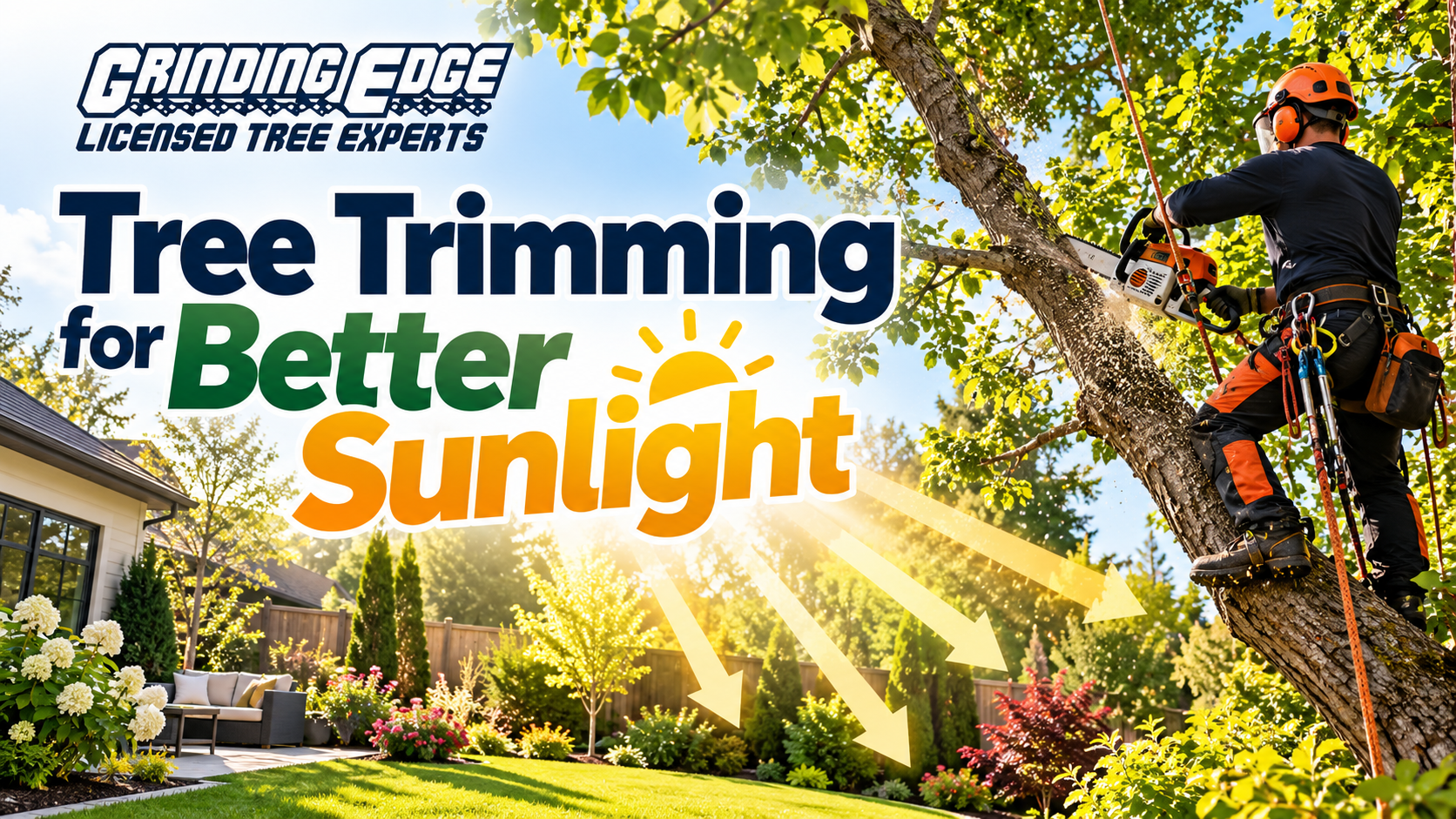
While shade is one of the greatest benefits of mature trees, excessive growth can sometimes block too much natural light from reaching your lawn, garden, or home. Dense branches may prevent grass from growing or reduce indoor daylight.
Selective trimming can improve sunlight exposure without sacrificing the beauty or benefits of your landscape.
How Often Should Trees Be Trimmed?
The ideal trimming schedule depends on the tree species, age, growth rate, and surrounding environment. Many mature trees benefit from trimming every three to five years, while younger trees may require more frequent pruning to establish a strong structure.
Fast-growing species often need regular maintenance, while slow-growing trees may go several years between professional trimming. Routine inspections help determine the right schedule for each individual tree.
Should You Trim Trees Yourself?
Minor pruning of small branches can often be handled by homeowners using proper tools and safety precautions. However, larger trees, high branches, storm-damaged limbs, and trees near power lines should always be handled by trained professionals.
Certified arborists have the equipment and expertise to safely remove branches while preserving the long-term health of the tree.
Conclusion
Regular tree trimming plays a vital role in maintaining healthy, attractive, and safe landscapes. Dead branches, overgrown limbs, dense canopies, storm damage, and branches growing near homes or power lines are all signs that trimming may be necessary.
Addressing these issues early not only improves the appearance of your trees but also reduces safety risks, prevents property damage, and encourages healthier growth. Scheduling regular inspections and professional trimming when needed can help your trees thrive for many years.
Frequently Asked Questions (FAQs)
How do I know if my tree needs trimming?
Common signs include dead branches, overgrown limbs, branches touching your home, dense foliage, storm damage, or signs of disease. Regular inspections help identify problems before they become serious.
What time of year is best for tree trimming?
For many tree species, late winter or early spring is ideal because trees are dormant and can recover more efficiently. However, damaged or hazardous branches should be removed whenever they are discovered.
Can trimming improve tree health?
Yes. Proper trimming removes dead, damaged, and diseased branches while improving airflow, sunlight penetration, and overall tree structure, leading to healthier growth.
How often should mature trees be trimmed?
Most mature trees benefit from professional trimming every three to five years, although fast-growing species or trees in high-risk areas may require more frequent maintenance.
Is tree trimming the same as tree pruning?
The terms are often used interchangeably, but pruning generally focuses on improving tree health and structure, while trimming is more commonly associated with maintaining appearance and controlling growth.
Should I hire a professional tree trimming service?
Yes, especially for large trees, storm-damaged branches, or trees near power lines. Professional arborists have the training, equipment, and experience to complete the work safely and correctly.