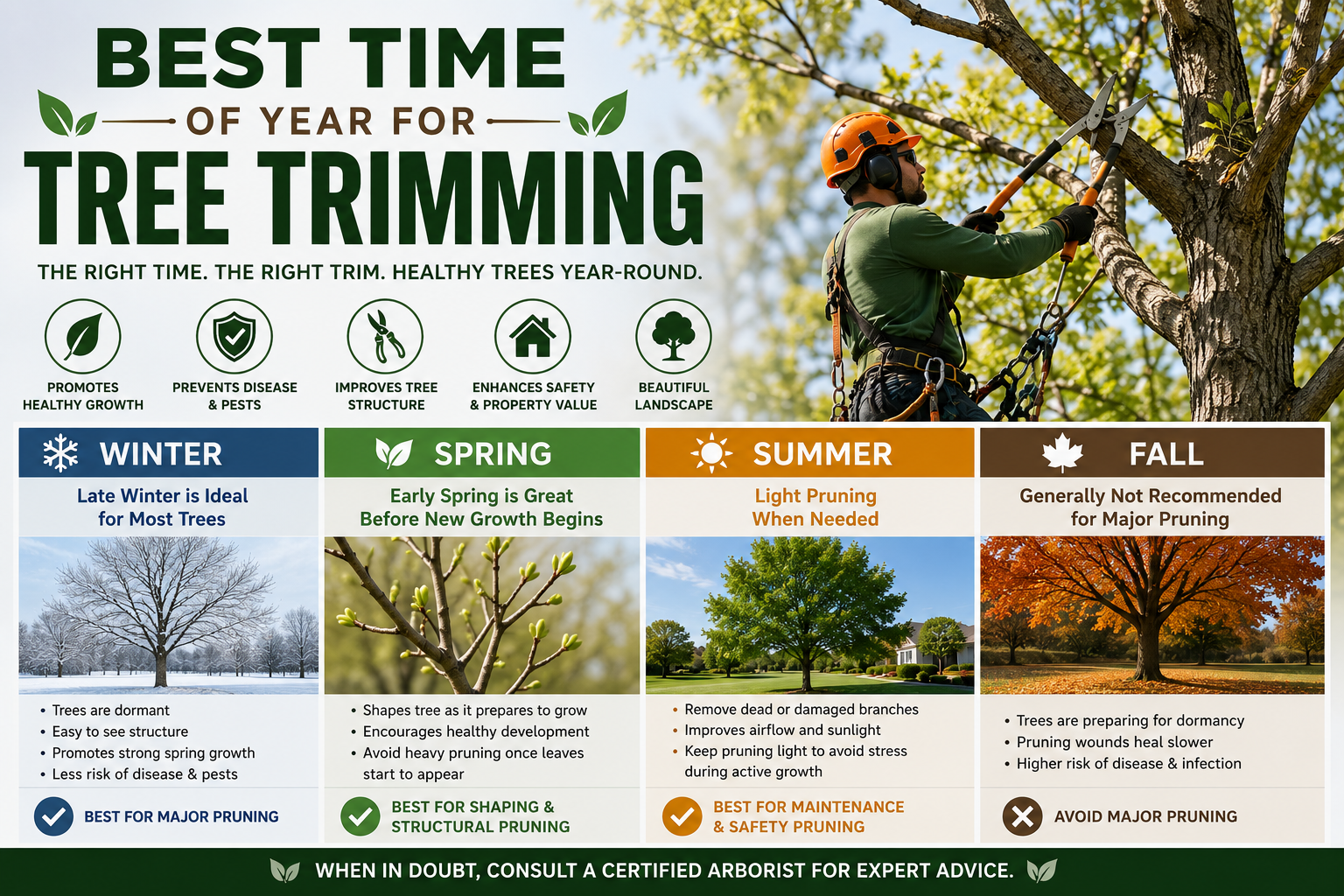
Tree trimming is an essential part of maintaining a healthy, safe, and attractive landscape. Proper pruning encourages strong growth, removes hazardous branches, improves a tree’s appearance, and helps prevent disease. However, knowing when to trim your trees is just as important as knowing how to trim them. Pruning at the wrong time can stress trees, slow their growth, or even make them more vulnerable to pests and diseases.
So, when is the best time of year for tree trimming? The answer depends on the type of tree, your landscaping goals, and the local climate. In general, late winter and early spring are considered the ideal seasons for most tree trimming projects because trees are dormant and can recover more quickly once new growth begins.
Why Timing Matters in Tree Trimming
Trees go through different growth cycles throughout the year. During certain seasons, they actively produce leaves, flowers, and fruit, while in others they conserve energy and enter dormancy. Trimming during the appropriate season minimizes stress on the tree and promotes faster healing.
Proper timing also reduces the risk of disease transmission, limits insect infestations, and encourages healthy branch development. Choosing the right season helps maintain the structural integrity of the tree while preserving its long-term health.
Late Winter: The Best Time for Most Trees
For many tree species, late winter is the ideal time for trimming. During dormancy, trees have shed their leaves, making it easier to identify weak, damaged, or overcrowded branches. Because growth has temporarily slowed, pruning wounds heal more efficiently once spring arrives.
Late winter trimming also reduces the likelihood of attracting insects or spreading fungal diseases that are more active during warmer months. In addition, dormant pruning stimulates vigorous new growth as temperatures begin to rise, allowing trees to develop stronger, healthier branches during the growing season.
Early Spring Tree Trimming
Early spring is another excellent time to prune many trees, especially before buds fully open. At this stage, trees are preparing for new growth, and careful pruning helps shape their structure while encouraging healthy development.
However, it’s important to avoid excessive trimming once trees begin actively producing leaves. Heavy pruning during active growth can temporarily weaken the tree and reduce its energy reserves.
Summer Pruning
Summer trimming can be beneficial for specific situations. It allows homeowners and arborists to remove dead, damaged, or hazardous branches that become more noticeable after trees have fully leafed out. Summer pruning can also help slow excessive growth and improve airflow through the canopy.
Because trees are actively growing during summer, only light pruning is generally recommended. Removing too much foliage can reduce the tree’s ability to produce energy through photosynthesis and increase stress during hot weather.
Fall Is Usually Not Recommended
Many tree experts discourage major tree trimming during the fall. As temperatures cool, trees begin preparing for dormancy rather than producing new growth. Pruning during this period may delay wound healing and increase the risk of fungal infections and disease.
Falling leaves and increased moisture also create favorable conditions for pathogens that can enter freshly cut branches. Unless there is an immediate safety concern, it’s usually better to postpone major pruning until late winter.
Winter Dormancy Offers Significant Benefits
Winter is often considered the safest season for substantial pruning because most deciduous trees are fully dormant. Without leaves obstructing the view, arborists can more easily evaluate branch structure and identify problem areas.
Dormant-season trimming also minimizes sap loss, reduces insect activity, and encourages vigorous spring growth. Additionally, frozen ground often allows heavy equipment to access trees with less impact on surrounding landscaping.
Tree Species Can Affect Timing
Not all trees should be trimmed at the same time. Flowering trees, for example, often require different pruning schedules depending on when they bloom. Trees that flower in the spring typically should be pruned shortly after flowering to avoid removing developing flower buds. Summer-flowering trees are often best trimmed during late winter or early spring before new growth begins.
Fruit trees also benefit from dormant-season pruning, which improves sunlight penetration, encourages healthy fruit production, and maintains a balanced tree structure.
Signs Your Tree Needs Trimming
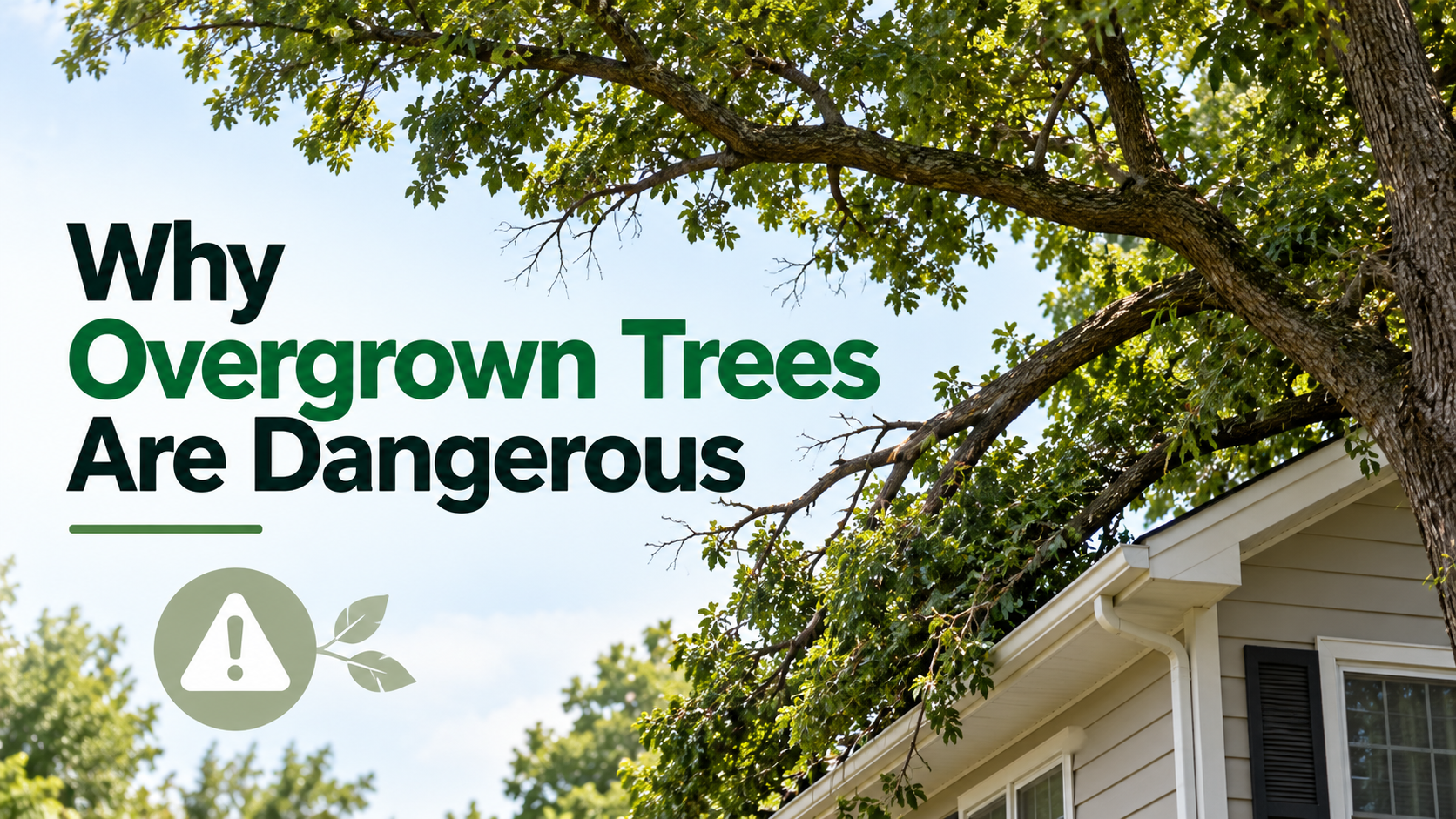
While seasonal timing is important, certain situations require immediate attention regardless of the time of year. Dead branches, storm damage, broken limbs, diseased wood, and branches interfering with power lines or structures should be removed promptly to reduce safety hazards and prevent further damage.
Trees with crowded canopies, crossing branches, or excessive growth may also benefit from professional pruning to improve airflow and reduce the likelihood of disease.
Benefits of Regular Tree Trimming
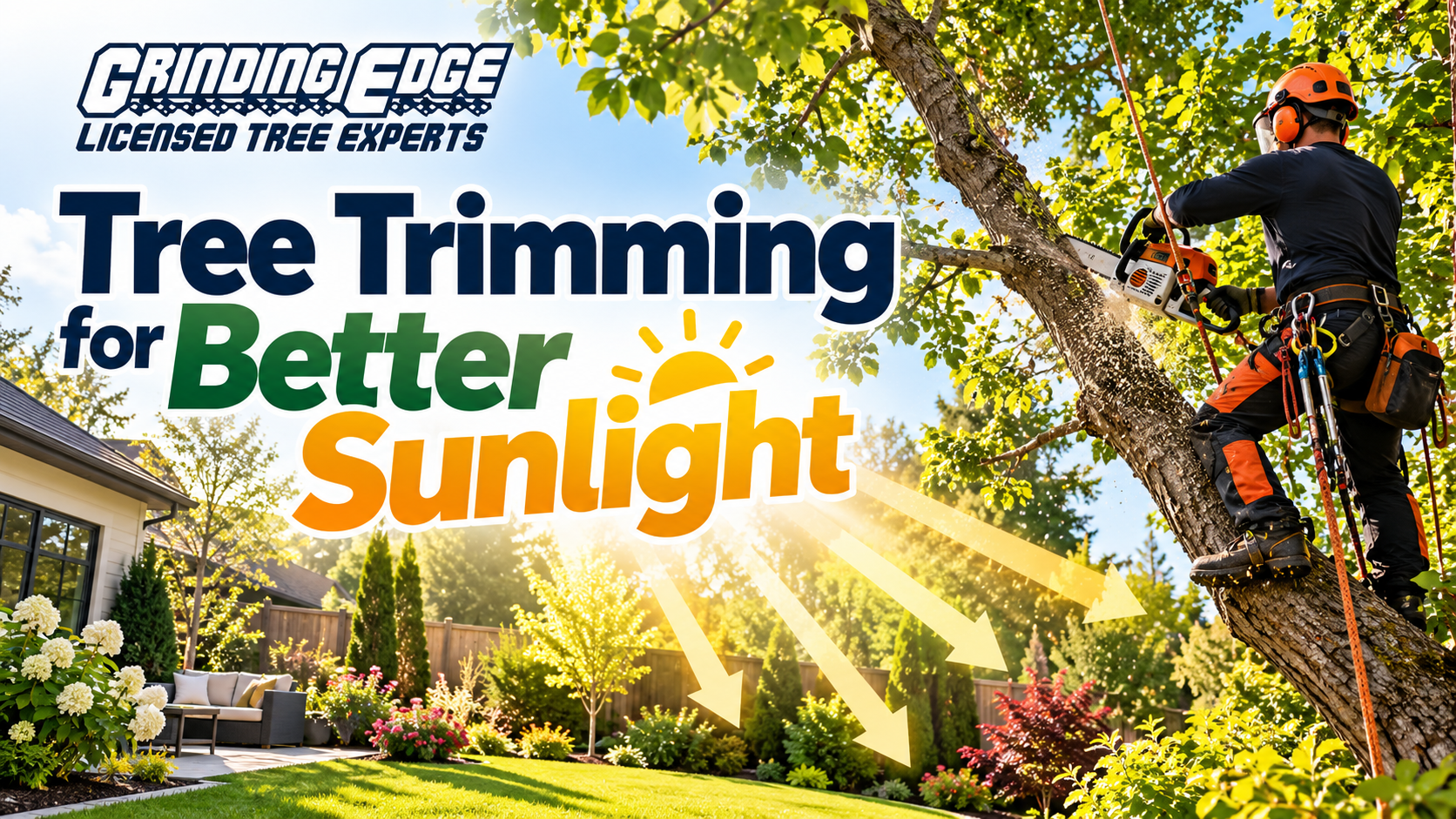
Routine tree trimming offers numerous advantages beyond improving appearance. Proper pruning promotes healthy growth by removing weak or damaged branches and directing energy toward stronger limbs. Improved airflow and increased sunlight penetration reduce the risk of fungal diseases while encouraging healthier foliage.
Regular trimming also enhances property safety by minimizing the chance of falling branches during storms or high winds. Well-maintained trees improve curb appeal, increase property value, and create more attractive outdoor spaces for homeowners to enjoy.
Should You Hire a Professional?
While small pruning tasks can often be handled by homeowners, larger trees and complex trimming projects should be left to certified arborists. Professionals understand proper pruning techniques, tree biology, and safety procedures. They also have specialized equipment to safely remove large branches without damaging nearby structures or landscaping.
Hiring an experienced tree care professional ensures that pruning is performed correctly while preserving the long-term health and structural stability of the tree.
Final Thoughts
The best time of year for tree trimming depends on your tree species and maintenance goals, but late winter and early spring remain the optimal seasons for most pruning projects. Trimming during dormancy promotes faster healing, encourages healthy growth, reduces disease risks, and helps trees maintain their natural beauty for years to come.
Regular tree maintenance not only protects the health of your landscape but also enhances property safety, curb appeal, and long-term value. By understanding the proper timing for pruning and working with qualified tree care professionals when necessary, homeowners can ensure their trees remain strong, healthy, and beautiful throughout every season.
Frequently Asked Questions (FAQs)
1. What is the best month to trim trees?
For most trees, late winter through early spring is the best time for trimming. During dormancy, trees recover more quickly and experience less stress after pruning.
2. Can trees be trimmed during the summer?
Yes. Summer pruning is suitable for removing dead, damaged, or hazardous branches and for light maintenance. However, heavy pruning should generally be avoided during periods of active growth.
3. Why is fall not recommended for tree trimming?
Fall pruning may slow wound healing and increase the risk of fungal infections because many disease-causing organisms become more active during cool, damp conditions.
4. Should flowering trees be trimmed in winter?
It depends on when they bloom. Spring-flowering trees are usually pruned shortly after flowering, while summer-flowering trees are commonly trimmed during late winter or early spring.
5. How often should trees be trimmed?
Most mature trees benefit from pruning every three to five years, while younger trees may require more frequent trimming to establish healthy branch structure. Fast-growing species may also need more regular maintenance.
6. Can tree trimming improve tree health?
Yes. Proper pruning removes dead, diseased, and damaged branches, improves airflow, increases sunlight penetration, and encourages stronger, healthier growth.
7. Is it okay to trim trees after a storm?
Yes. Damaged or hazardous branches should be removed as soon as possible after severe weather to reduce safety risks and prevent further damage.
8. Should I trim large trees myself?
Large tree pruning is best handled by certified arborists. They have the expertise and equipment needed to safely trim trees while protecting both the tree and surrounding property.