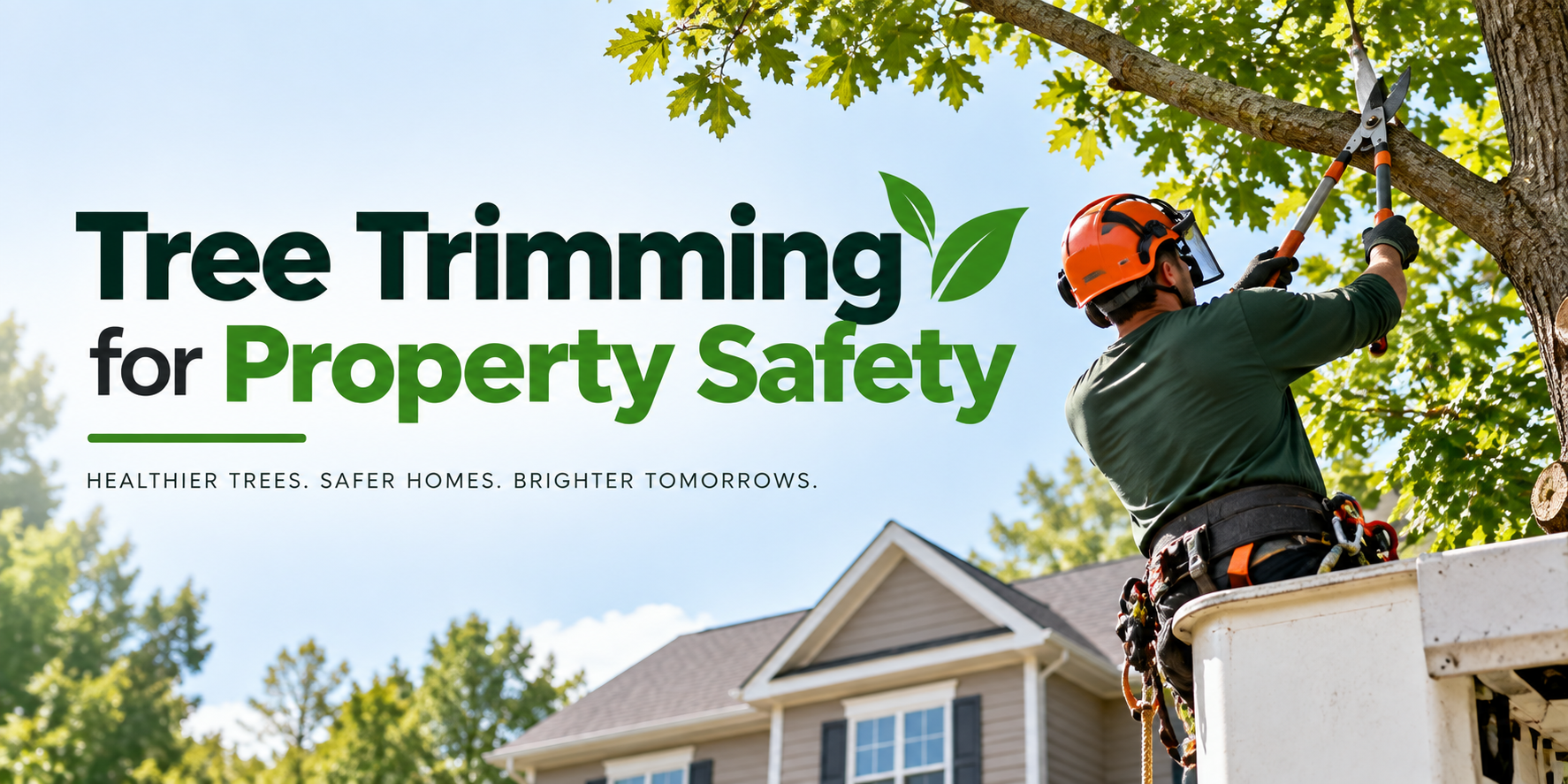
Trees add beauty, shade, privacy, and value to residential and commercial properties. They can transform an ordinary landscape into a welcoming outdoor environment while providing important environmental benefits. However, trees can also become a safety concern when branches become weak, damaged, overgrown, or improperly positioned. Regular tree trimming is an important part of responsible property maintenance because it can help manage these risks before they become expensive or dangerous problems.
Tree trimming is more than simply cutting away branches that look inconvenient. Proper trimming requires an understanding of tree structure, growth patterns, branch attachment, surrounding structures, and the condition of the tree. When performed correctly, trimming can support healthy growth while reducing potential hazards around buildings, driveways, walkways, power lines, and other property features.
Why Tree Trimming Matters for Property Safety
Trees are exposed to changing weather conditions throughout the year. Wind, heavy rain, storms, lightning, drought, insects, disease, and natural aging can all affect tree health and branch stability. A branch that appears healthy from the ground may still have structural weaknesses that increase the chance of failure.
Regular trimming allows property owners to address certain hazards before they become emergencies. Removing dead, broken, diseased, or structurally compromised branches can reduce the amount of potentially hazardous material within the canopy.
Proper trimming can also help maintain clearance around buildings, vehicles, sidewalks, fences, outdoor structures, and other areas where falling branches could cause damage or injury.
Identifying Hazardous Tree Branches
One of the first steps in maintaining tree safety is recognizing warning signs. Dead branches are particularly important because they can eventually fall without warning, especially during windy or stormy conditions.
Cracked branches, hanging limbs, branches with visible decay, and areas where bark has separated from the wood can also deserve professional attention. Weak branch unions, such as areas where branches are tightly attached or have included bark, may present structural concerns depending on the tree and circumstances.
Leaning trees may also require evaluation, particularly when a new or increasing lean is accompanied by soil movement, root damage, cracking, or other changes.
Property owners should not assume that every unusual-looking tree is immediately dangerous. Tree structure can be complex, and a qualified arborist can help determine whether a particular condition represents a significant hazard.
Trimming Dead and Damaged Branches
Deadwood is one of the most common reasons for tree trimming. Dead branches no longer contribute to the tree’s growth and can become increasingly brittle over time.
Removing dead and damaged branches can help reduce the likelihood of branches falling onto roofs, vehicles, patios, walkways, or other areas of the property. It can also improve the overall appearance of the tree.
After severe weather, property owners should inspect trees for newly broken limbs. Storm-damaged branches can be unstable, and attempting to remove large or elevated branches without appropriate equipment and experience can create additional hazards.
Keeping Branches Away From Buildings
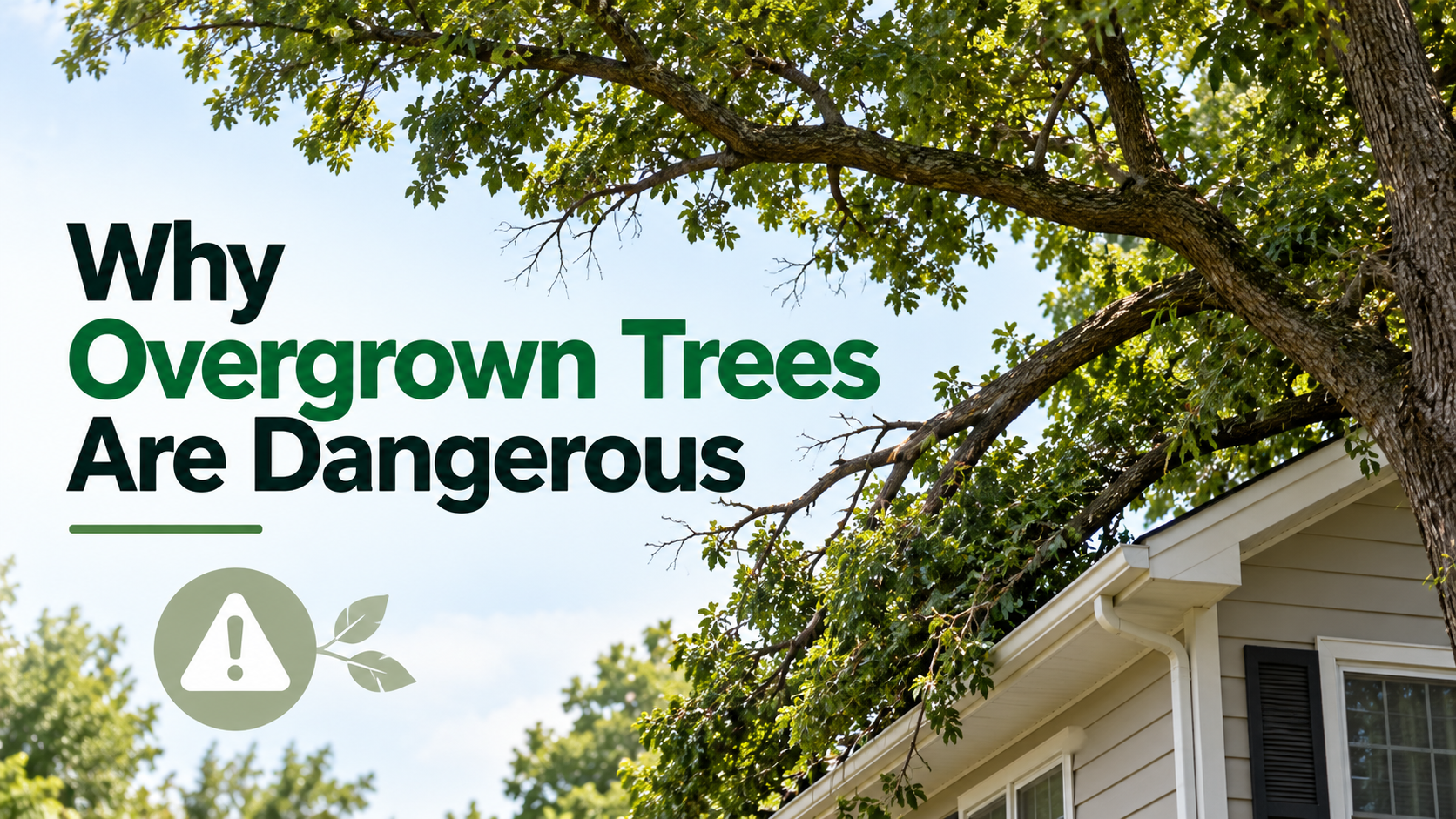
Trees growing close to homes and commercial buildings can create maintenance and safety challenges. Branches may grow toward roofs, gutters, windows, siding, chimneys, or other structures.
Regular trimming can help maintain appropriate clearance and prevent branches from repeatedly rubbing against buildings. Branch movement during windy conditions can cause physical damage to roofs, siding, and other exterior components.
Keeping branches properly positioned can also make it easier to inspect and maintain the building. However, trimming should be performed carefully because excessive removal can weaken a tree or encourage undesirable growth.
Tree Trimming Near Power Lines
Branches growing near electrical lines require special caution. Contact between vegetation and power lines can create serious safety risks, particularly during storms.
Property owners should never attempt to cut branches that are touching or dangerously close to energized electrical lines themselves. Depending on the situation, the appropriate utility provider or qualified professional may need to handle the work.
Professional evaluation is especially important when large trees are growing beneath or alongside overhead utility infrastructure. Planning the work carefully can help protect both people and property.
Improving Clearance Over Driveways and Walkways
Branches that extend over driveways and walkways can become obstacles as they grow. Low branches may interfere with vehicles, pedestrians, delivery trucks, recreational equipment, or maintenance activities.
Trimming can improve clearance and create a safer path through the property. It can also reduce the risk of branches striking vehicles or people.
For commercial properties, maintaining clear pedestrian and vehicle routes can be especially important because these areas may experience significantly more traffic than a typical residential yard.
Tree Trimming and Storm Preparedness
Storm preparation is another important reason to inspect and maintain trees. Strong winds can place substantial stress on branches and tree structures.
Routine trimming cannot guarantee that a tree will survive severe weather, but addressing known defects and removing certain hazardous branches can help reduce preventable risks.
Before storm season, property owners may benefit from having large or mature trees evaluated for deadwood, weak branch attachments, damaged limbs, excessive weight, and other potential concerns.
After a storm, trees should be inspected again because branches can crack or become partially detached even when the damage is not immediately obvious.
Avoiding Over-Trimming
While removing hazardous branches can improve safety, excessive trimming can create new problems. Removing too much live canopy can stress a tree, reduce its ability to produce energy, and potentially affect its long-term health.
Aggressive cutting can also encourage rapid or weakly attached regrowth in some situations. A tree should therefore be trimmed according to its species, age, condition, location, and structural needs.
The goal should not be to remove as many branches as possible. The goal is to make appropriate cuts that address specific safety, clearance, structural, or maintenance concerns while preserving the tree’s overall health and natural form.
Crown Cleaning and Structural Trimming
Different trimming approaches address different tree conditions. Crown cleaning generally involves removing dead, diseased, broken, or otherwise problematic branches from the canopy.
Structural pruning focuses on improving the arrangement and development of branches. This can be particularly useful for younger trees because early structural management may help establish stronger branch architecture as the tree matures.
Crown raising involves removing selected lower branches to increase clearance above roads, sidewalks, buildings, or other areas. Crown reduction, when appropriate, decreases the overall size or spread of portions of a tree, but it needs to be performed carefully to avoid damaging the tree.
The Importance of Proper Cutting Techniques
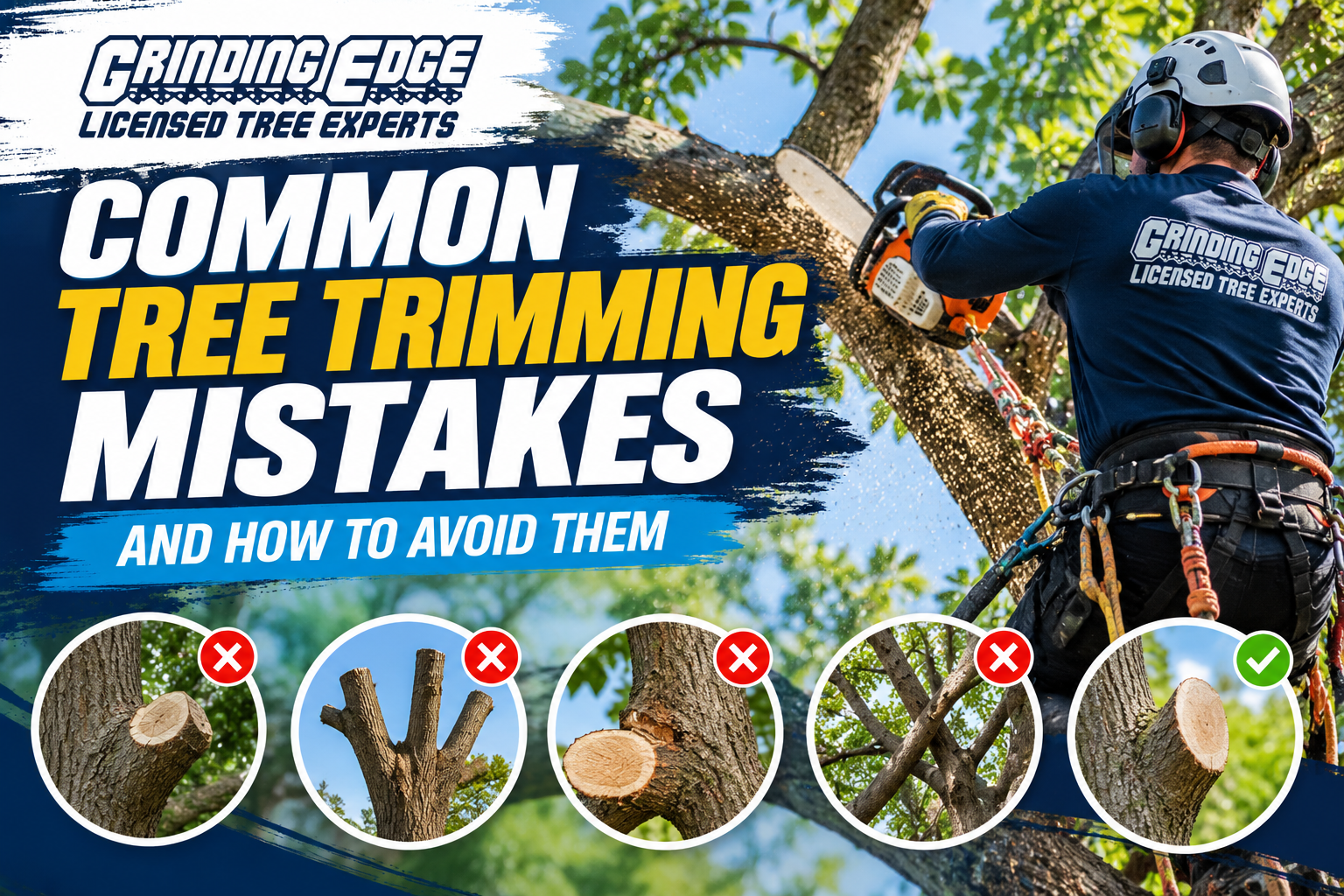
Where and how a branch is cut can have a significant impact on the tree’s response. Poor cuts can leave large wounds, damage the branch collar, or create conditions that interfere with the tree’s natural ability to compartmentalize damage.
Professional tree workers understand how to make appropriate cuts based on branch structure and tree biology. They also consider the size of the branch being removed and how the removal will affect the remaining canopy.
Large branches should not be removed casually. The larger the branch, the greater the potential consequences of an improper cut.
Tree Trimming Can Protect Property Investment
A mature tree can be a significant landscape asset, but it can also become a source of expensive damage if poorly maintained. A falling limb can damage a roof, fence, vehicle, outdoor structure, irrigation system, or landscape feature.
Preventive tree care can help property owners identify issues earlier and potentially reduce the likelihood of costly emergency work.
Tree trimming should therefore be viewed as part of broader property maintenance rather than simply an aesthetic landscaping service.
Protecting People and Outdoor Living Areas
Patios, decks, playgrounds, outdoor kitchens, pools, seating areas, and other outdoor spaces are often located beneath or near trees. These spaces can become vulnerable when branches become unstable.
Maintaining trees around frequently occupied areas is particularly important. Property owners should consider where people spend time outdoors and whether dead or structurally questionable branches are positioned above those areas.
Regular inspections can help identify problems before they become urgent.
Tree Health and Property Safety Work Together
Healthy trees are not automatically risk-free, but maintaining tree health can contribute to better structural development. Proper watering, soil management, pest monitoring, disease management, and appropriate pruning can all be components of responsible tree care.
Poor trimming practices, on the other hand, can damage otherwise healthy trees. Topping, indiscriminate cutting, and excessive canopy removal may create long-term structural and health problems.
For this reason, safety trimming should be approached as part of an overall tree-care strategy.
When Should Trees Be Trimmed?
The best timing for tree trimming depends on the tree species, climate, objective of the pruning, and condition of the tree. Some trees can be pruned during dormant periods, while other situations may require attention at different times of year.
Dead, broken, or hazardous branches may require prompt attention regardless of the normal pruning season.
Property owners should also consider seasonal weather patterns. Scheduling preventive work before periods of severe weather can be useful when a tree has known defects or overextended branches.
A qualified arborist can recommend an appropriate schedule based on the individual tree rather than applying the same timing to every species.
Signs That You May Need Professional Tree Trimming
Several conditions can indicate that a professional tree assessment may be appropriate. These include large dead branches, significant storm damage, branches resting on structures, limbs interfering with utility infrastructure, extensive decay, unusual leaning, and branches with visible cracks or weak attachments.
Trees that are very large or located near homes, roads, utility lines, or frequently used outdoor spaces also deserve particular attention.
If you are uncertain whether a tree represents a safety concern, professional evaluation is generally safer than attempting major pruning based solely on visual inspection from the ground.
Why DIY Tree Trimming Can Be Dangerous
Small landscaping tasks may be manageable for homeowners, but large-tree trimming can involve significant hazards. Working from ladders, operating cutting equipment at height, handling heavy branches, and working near electrical infrastructure can quickly turn a routine project into a dangerous situation.
Branches can move unexpectedly as they are cut, and large limbs can swing, roll, or fall in unpredictable directions. Improperly secured equipment can also create additional risks.
Professional tree crews have specialized equipment, training, and procedures for managing elevated and heavy branches. For substantial trimming or hazardous trees, professional assistance is often the appropriate approach.
Choosing a Professional Tree Trimming Service
When hiring a tree service, property owners should look beyond price alone. Experience, qualifications, insurance, equipment, safety practices, and knowledge of proper pruning techniques are important considerations.
Ask the company to explain what work the tree needs and why. A reputable professional should be able to distinguish between necessary safety work and purely aesthetic recommendations.
For larger projects, obtaining a written estimate can help clarify the scope of work, cleanup responsibilities, equipment requirements, and any additional services.
Tree Trimming Is Part of a Larger Property Safety Plan
Tree maintenance works best when it is incorporated into a broader property safety strategy. Roofs, gutters, fences, drainage systems, retaining structures, walkways, lighting, and landscaping should all be considered when evaluating how trees interact with the property.
Trees should be inspected periodically, particularly after major storms or significant environmental changes. Early identification of problems can make it easier to plan appropriate maintenance instead of waiting until a branch becomes an emergency.
Final Thoughts
Tree trimming for property safety is about more than improving the appearance of a landscape. Properly maintained trees can provide shade, beauty, privacy, and long-term environmental benefits while reducing certain preventable hazards around a property.
Removing dead or damaged branches, maintaining appropriate clearance, addressing storm damage, and monitoring tree structure can all contribute to safer outdoor spaces. At the same time, trimming must be performed carefully to avoid creating new structural or health problems.
For large, mature, damaged, or strategically located trees, professional evaluation can provide a clearer understanding of what work is actually needed. With regular inspections and thoughtful tree care, property owners can better protect their homes, businesses, landscapes, and the people who use them.
Frequently Asked Questions
How often should trees be trimmed for safety?
There is no single schedule that applies to every tree. Species, age, location, growth rate, health, and structural condition all affect trimming needs. Regular inspections can help determine when work is appropriate.
Does tree trimming prevent branches from falling?
Trimming cannot guarantee that a tree or branch will never fail. However, removing certain dead, damaged, or hazardous branches can reduce some identifiable risks.
Should dead branches always be removed?
Dead branches may become increasingly brittle and can present hazards, particularly when they are located over buildings, walkways, driveways, or areas where people gather. Their removal should be evaluated based on size, location, and condition.
Can I trim a large tree myself?
Large-tree trimming can involve substantial risks, particularly when climbing, using power equipment, handling heavy branches, or working near electrical lines. Professional assistance is recommended for complex or hazardous work.
What is the difference between tree trimming and tree removal?
Tree trimming involves selectively removing branches to address safety, health, clearance, or structural objectives. Tree removal involves taking down the entire tree and is generally considered when a tree is dead, severely compromised, hazardous, or otherwise unsuitable for its location.
Is tree trimming only about appearance?
No. While trimming can improve a tree’s appearance, safety and structural management are important reasons for professional pruning. Clearance from buildings, roads, walkways, vehicles, and utilities can also be a major consideration.
Should trees be trimmed before a storm?
If a tree has known deadwood, damaged limbs, or structural concerns, addressing those issues before severe weather can be beneficial. A professional assessment can help determine what work is appropriate.
What should I do if a tree branch is touching a power line?
Do not attempt to cut or remove it yourself. Keep people away from the area and contact the appropriate utility provider or qualified professional for guidance.
Can improper tree trimming damage a tree?
Yes. Excessive pruning, poor cuts, topping, and removal of too much live canopy can stress trees and potentially contribute to structural or health problems. Proper pruning should be based on the tree’s condition and objectives of the work.
What areas around a property should be checked for tree hazards?
Pay particular attention to areas above roofs, driveways, walkways, parking areas, patios, decks, playgrounds, outdoor living spaces, fences, and utility infrastructure. Trees near frequently occupied areas deserve especially careful inspection.