Trees are one of the most valuable assets on any property. They provide shade, improve curb appeal, increase property value, and contribute to a healthier environment. However, maintaining healthy and attractive trees requires more than occasional watering. Regular tree trimming is an essential part of proper tree care, helping to promote healthy growth, improve safety, and prevent potential damage to your property.
One of the most common questions homeowners ask is, “How often should trees be trimmed?” The answer depends on several factors, including the tree species, age, health, location, and overall growth rate. Understanding the ideal trimming schedule can help ensure your trees remain healthy and beautiful for years to come.
Why Tree Trimming Is Important
Tree trimming involves the selective removal of branches to improve a tree’s structure, appearance, and health. Over time, trees can develop dead, diseased, damaged, or overcrowded branches that may negatively affect growth and pose safety risks.
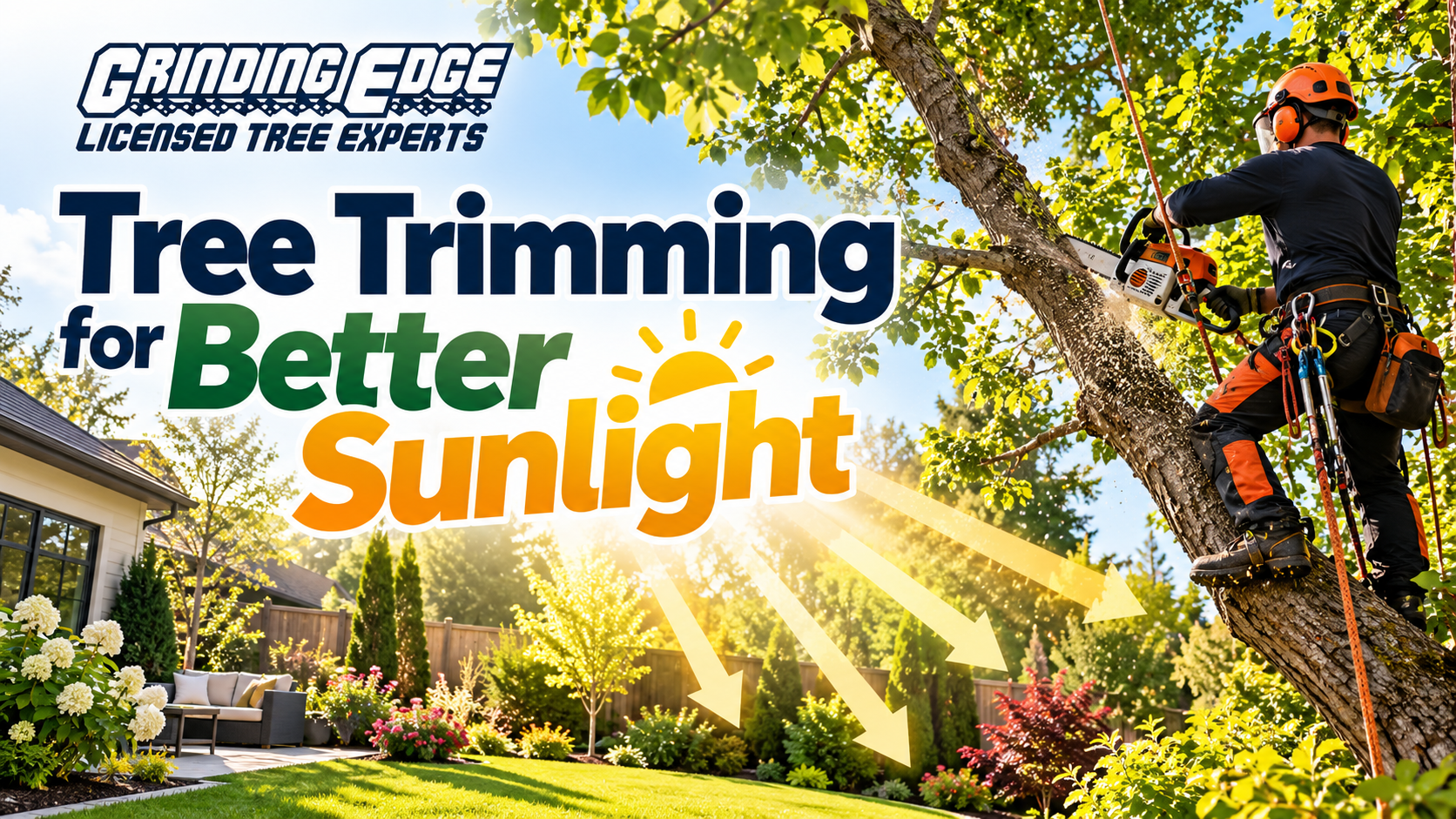
Regular trimming helps increase air circulation, improve sunlight penetration, reduce the likelihood of disease, and remove hazardous limbs before they become a problem. It also encourages stronger growth patterns and helps maintain the tree’s natural shape.
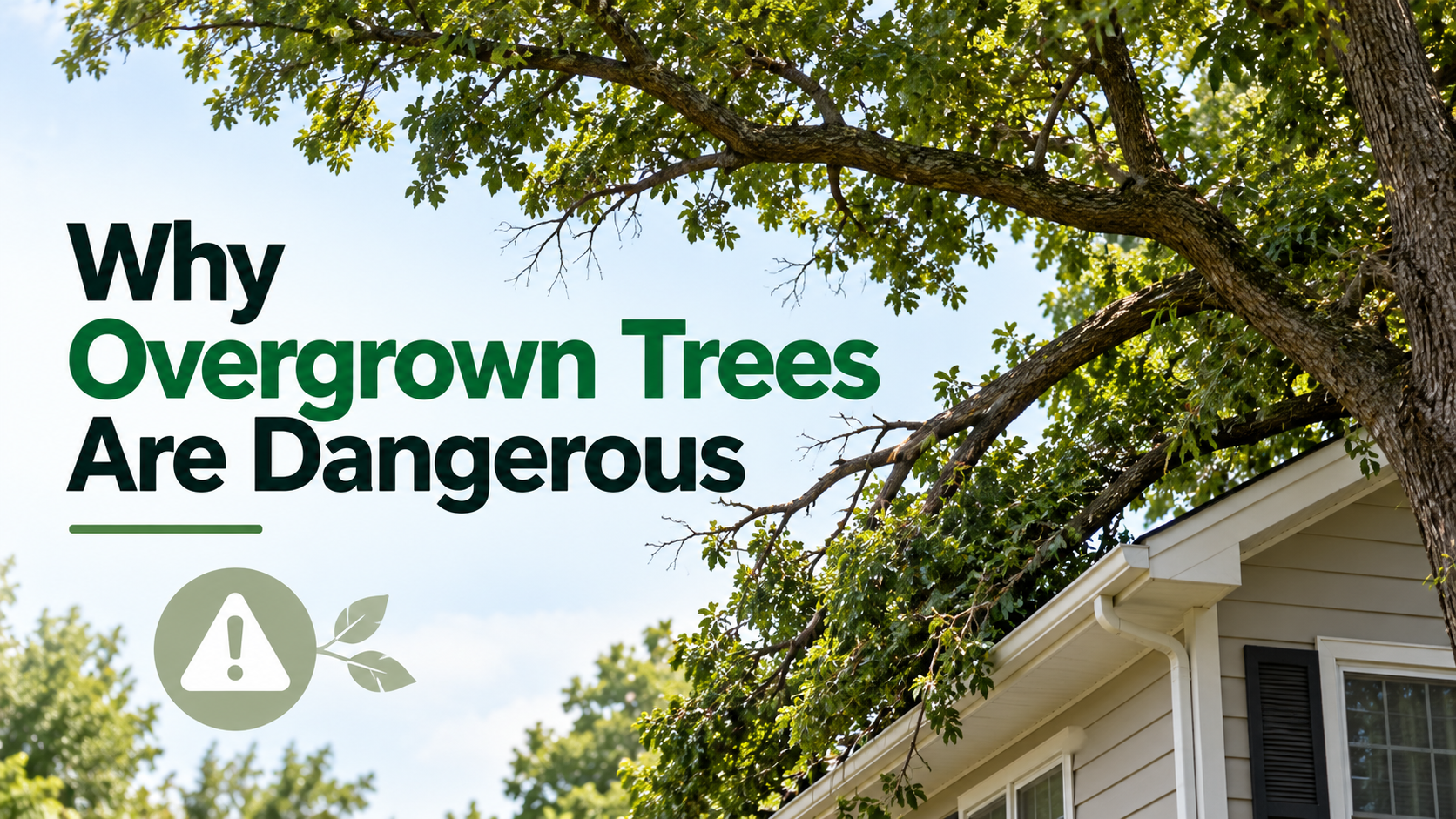
Without routine maintenance, trees can become overgrown, unstable, and more susceptible to storm damage and pest infestations.
How Often Should Mature Trees Be Trimmed?
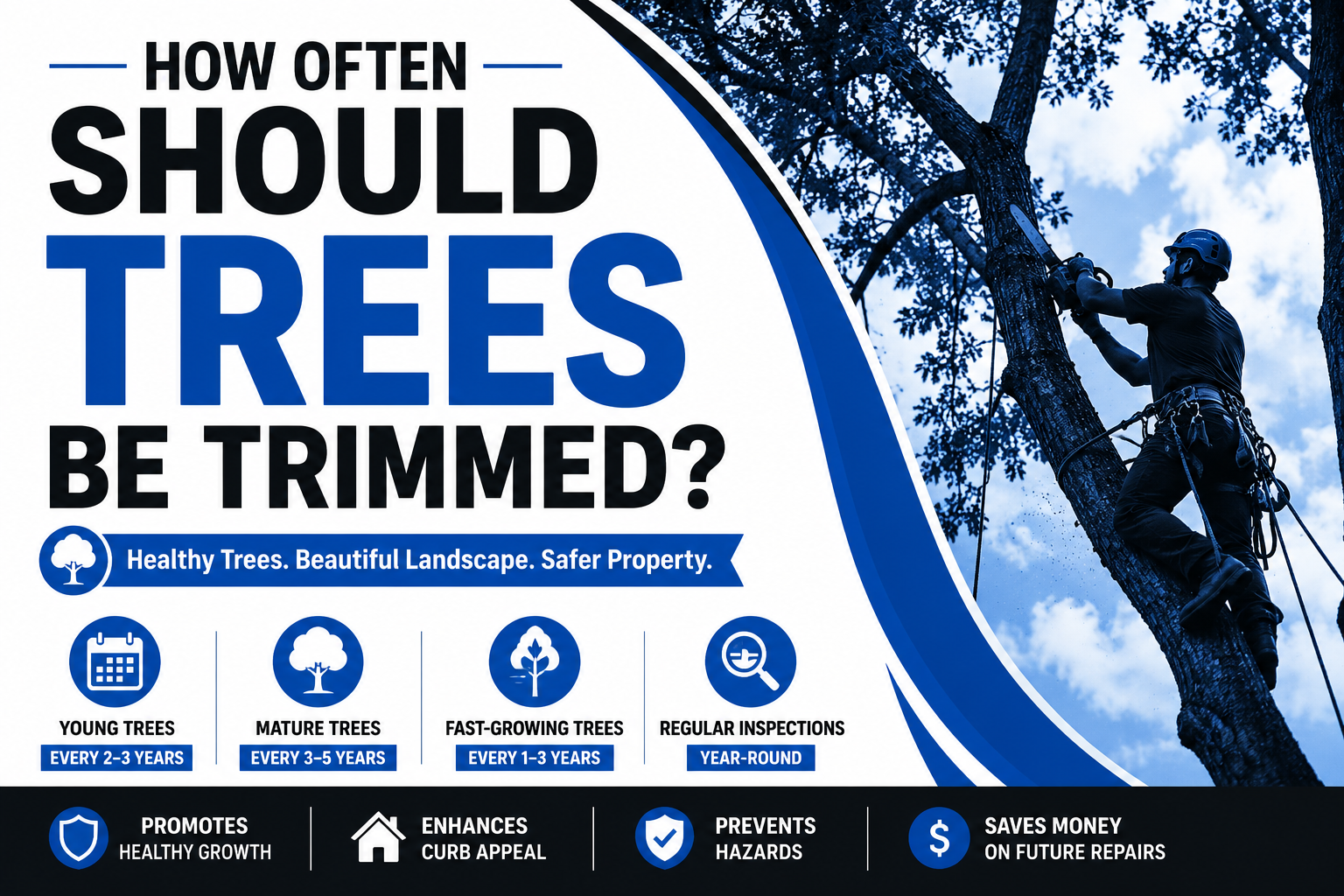
Most mature trees benefit from professional trimming every three to five years. Mature trees generally grow more slowly than younger trees and require less frequent maintenance. However, regular inspections remain important to identify dead branches, structural issues, or signs of disease.
While some species may need more frequent attention, a three-to-five-year trimming schedule is typically sufficient to maintain health, safety, and appearance for established trees.
Property owners should also monitor mature trees after severe storms, as damaged branches may require immediate removal regardless of the regular maintenance schedule.
How Often Should Young Trees Be Trimmed?
Young trees typically require more frequent trimming than mature trees. During the first several years of growth, pruning helps establish a strong branch structure and encourages healthy development.
Most arborists recommend trimming young trees every two to three years. Early pruning helps prevent structural problems that could become more difficult and expensive to correct as the tree matures.
Properly maintained young trees are more likely to develop strong trunks and balanced canopies, reducing the risk of future damage.
Fast-Growing Trees May Need More Frequent Trimming
Some tree species grow rapidly and may require trimming every one to three years. Fast-growing trees often produce large amounts of new growth that can quickly become overgrown or structurally weak.
Examples of fast-growing trees include willows, silver maples, poplars, and certain elm varieties. Regular trimming helps manage their growth and prevents branches from becoming overcrowded or hazardous.
Homeowners with fast-growing trees should schedule routine inspections to determine whether additional maintenance is needed.
Slow-Growing Trees Require Less Frequent Maintenance
Slow-growing tree species generally need less frequent trimming. Trees such as oaks, beeches, and many evergreens can often go several years between major pruning sessions.
Although these trees require less maintenance, they should still be inspected periodically for dead branches, disease, and structural concerns. Even healthy slow-growing trees benefit from occasional pruning to maintain their appearance and long-term health.
Seasonal Timing Matters
In addition to knowing how often trees should be trimmed, it’s important to understand the best time of year for pruning. For many tree species, late winter or early spring is considered the ideal trimming season.
During dormancy, trees experience less stress from pruning, and wounds typically heal more efficiently once new growth begins. Trimming during this period also allows arborists to see the tree’s structure more clearly without leaves obstructing visibility.
However, certain species and situations may require trimming at other times of the year. Dead, damaged, or dangerous branches should be removed as soon as they are identified, regardless of the season.
Signs Your Tree Needs Trimming
While routine schedules are helpful, trees often provide visible signs when trimming is necessary. Branches growing too close to structures, power lines, roofs, or walkways should be addressed promptly to prevent potential hazards.
Dead or broken branches, dense canopies that block sunlight, rubbing limbs, and signs of disease are also indicators that professional trimming may be needed. If a tree appears unbalanced or has experienced storm damage, an inspection by a certified arborist can help determine the appropriate course of action.
Ignoring these warning signs can increase the risk of property damage and negatively impact tree health.
Benefits of Regular Tree Trimming
Routine tree trimming offers numerous advantages beyond simple aesthetics. Healthy pruning practices help trees develop stronger branch structures, improve air circulation, and reduce the risk of disease and pest infestations.
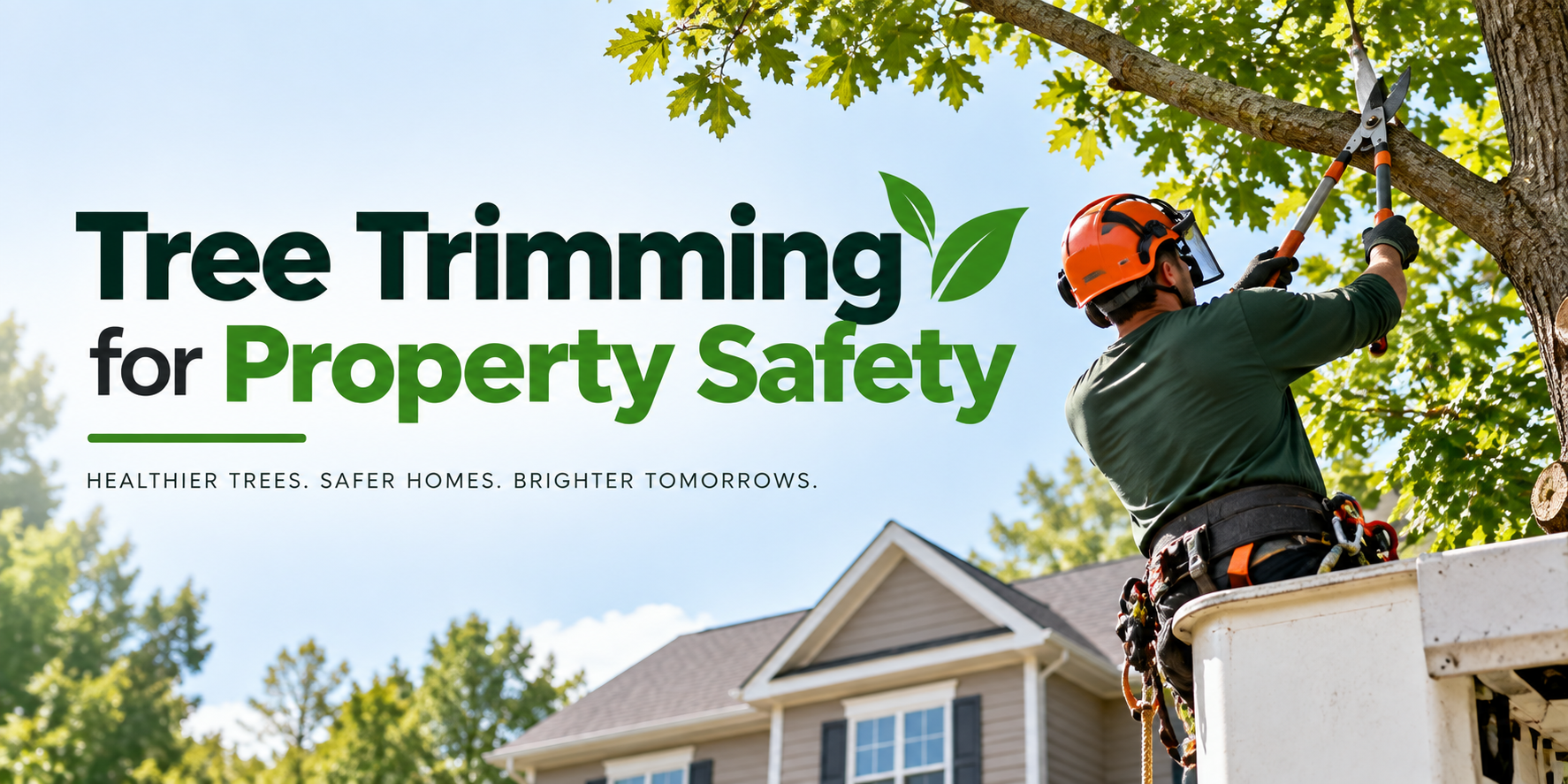
Regular maintenance also enhances safety by removing potentially dangerous limbs before they fall. Well-maintained trees can improve curb appeal, increase property value, and create a more attractive landscape overall.
In many cases, preventive trimming can help property owners avoid costly emergency tree services in the future.
Professional Tree Trimming vs. DIY Pruning
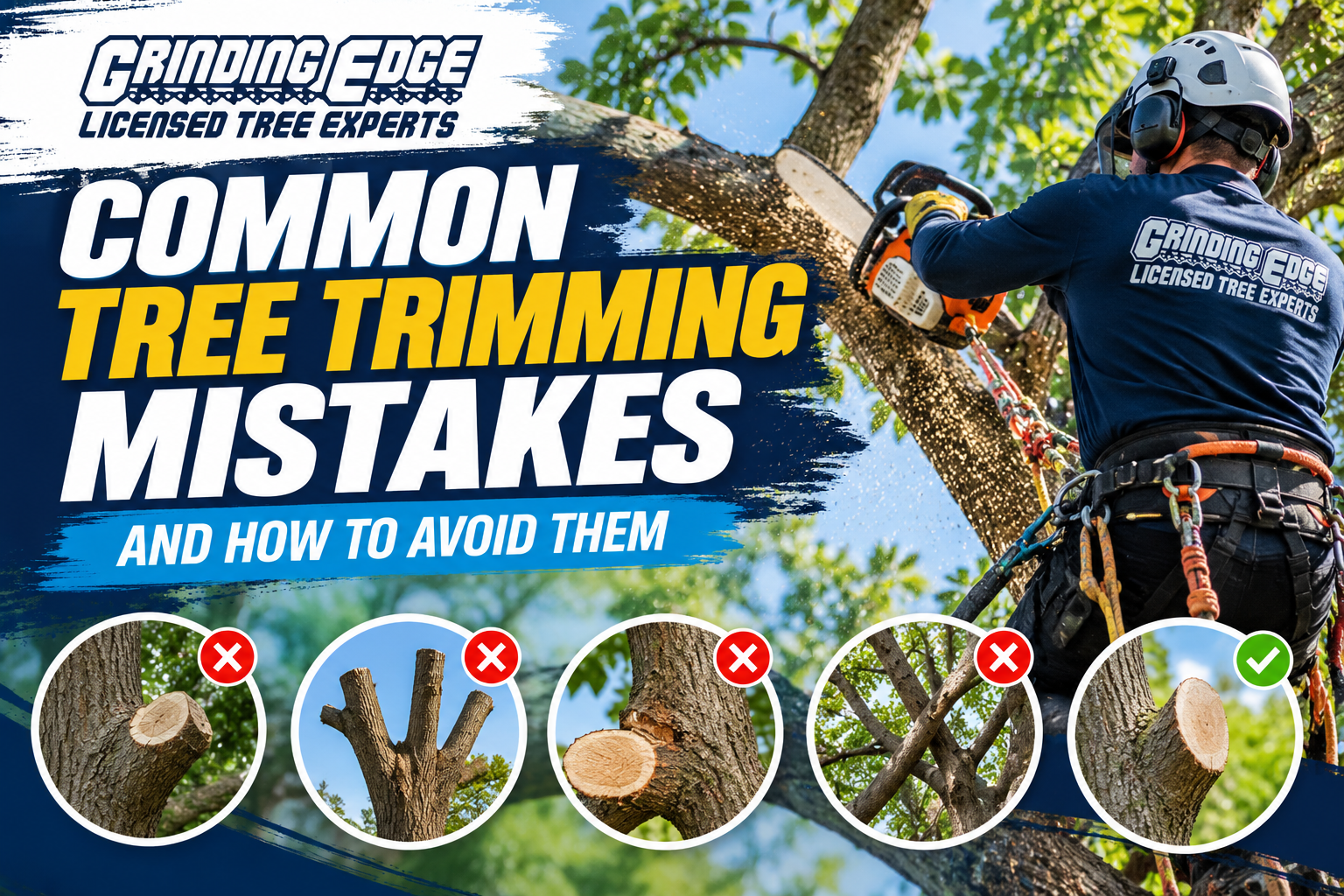
While homeowners can perform minor pruning on small trees and shrubs, larger trees often require professional expertise. Improper trimming techniques can damage trees, create safety hazards, and lead to long-term health issues.
Certified arborists understand proper pruning methods, tree biology, and safety procedures. They can identify potential problems and make precise cuts that promote healthy growth while minimizing stress on the tree.
For large, mature, or high-risk trees, professional trimming is typically the safest and most effective option.
Conclusion
The ideal tree trimming schedule depends on factors such as tree age, species, health, and growth rate. As a general guideline, young trees should be trimmed every two to three years, while mature trees typically benefit from pruning every three to five years. Fast-growing species may require more frequent maintenance, while slow-growing trees often need less attention.
Regular trimming plays a critical role in maintaining healthy, safe, and attractive trees. By following an appropriate maintenance schedule and addressing issues as they arise, homeowners can protect their investment and enjoy the benefits of healthy trees for many years to come.
Frequently Asked Questions (FAQs)
How often should most trees be trimmed?
Most mature trees should be trimmed every three to five years, while younger trees typically benefit from pruning every two to three years.
What time of year is best for tree trimming?
Late winter and early spring are generally considered the best times for trimming many tree species because trees are dormant and can recover more efficiently.
Can trees be trimmed too often?
Yes. Excessive trimming can stress trees, weaken their structure, and make them more susceptible to disease, pests, and environmental damage.
How do I know if my tree needs trimming?
Dead branches, storm damage, overcrowded limbs, branches near structures, and signs of disease are common indicators that trimming may be necessary.
Are there trees that require annual trimming?
Some fast-growing tree species may benefit from annual inspections and occasional yearly trimming to maintain safety and appearance.
Can trimming improve tree health?
Yes. Proper trimming removes diseased, damaged, and dead branches while improving airflow and sunlight penetration throughout the canopy.
Is tree trimming the same as tree pruning?
The terms are often used interchangeably. However, pruning typically focuses on tree health and growth, while trimming is often associated with maintaining appearance and shape.
Should I hire a professional tree service?
For large trees, trees near power lines, or trees requiring significant pruning, hiring a certified arborist or professional tree service is strongly recommended.